For small teams, the best SEO platforms solve the work that keeps slipping. A founder who cannot get posts published needs something different from an SEO manager auditing thousands of URLs. RankSpot helps the founder turn a website and a content plan into published articles. The manager needs a research suite.
These 12 paid platforms handle different jobs. Pick the category that fits yours, then add the free measurement tools. A few products appear in several categories because one subscription can handle more than one task.
Best SEO platforms by job: find your starting point
What you need to do | Category to start with | Best initial fit |
|---|---|---|
Research a market, audit a site and inspect competitors | Semrush, Ahrefs or SE Ranking | |
Turn keyword ideas into posts without hiring a content team | RankSpot | |
Improve drafts your writers already produce | Surfer, Frase or Scalenut | |
Find search topics before writing | LowFruits, Ahrefs or RankSpot | |
Watch whether target queries move | Nightwatch or SE Ranking | |
Inspect links to your site and competing sites | Ahrefs or Semrush | |
See whether your brand appears in AI-generated answers | Otterly AI, Peec AI or Profound | |
Measure search performance before paying for anything | Google Search Console and GA4 |
A useful buying rule: name the next action you need to take. “Publish useful articles every week” calls for a production workflow. “Find why traffic fell on these pages” calls for diagnostics. Both jobs fall under SEO, yet they call for different software.
What is an SEO tool, and which features matter?
An SEO tool helps you investigate, improve or measure how a website appears in search engine results. The best SEO tools serve different purposes. You might use one to find content ideas, another to catch broken links or duplicate content, and a third to measure clicks. AI tools can speed up a draft; you still need a useful topic and editorial judgment.
Make a short requirements list before comparing the best SEO software:
Discovery: Do you need keyword research, competitor backlink analysis or local SEO research? Ask what decision each report helps you make.
Execution: Who will fix the site, write the page, handle internal links and publish it? If no one owns those tasks, prioritize a workflow over more data.
Measurement: Can you see the affected page, search results and visitor actions together? A rank tracker alone cannot tell you whether the page earned a customer.
For a technical SEO audit, look for crawl and audit features that reveal errors your team can fix. For content marketing, look at how the tool turns a topic into a useful page. For a small business, ease of use and the next completed task matter more than the total number of charts.
All-in-one SEO suites
Research across several sites or markets is easier to manage in a suite. You can keep keyword discovery, competitor analysis, technical checks, link analysis and reporting in one workspace. You will still need someone to decide which findings deserve work.
Semrush
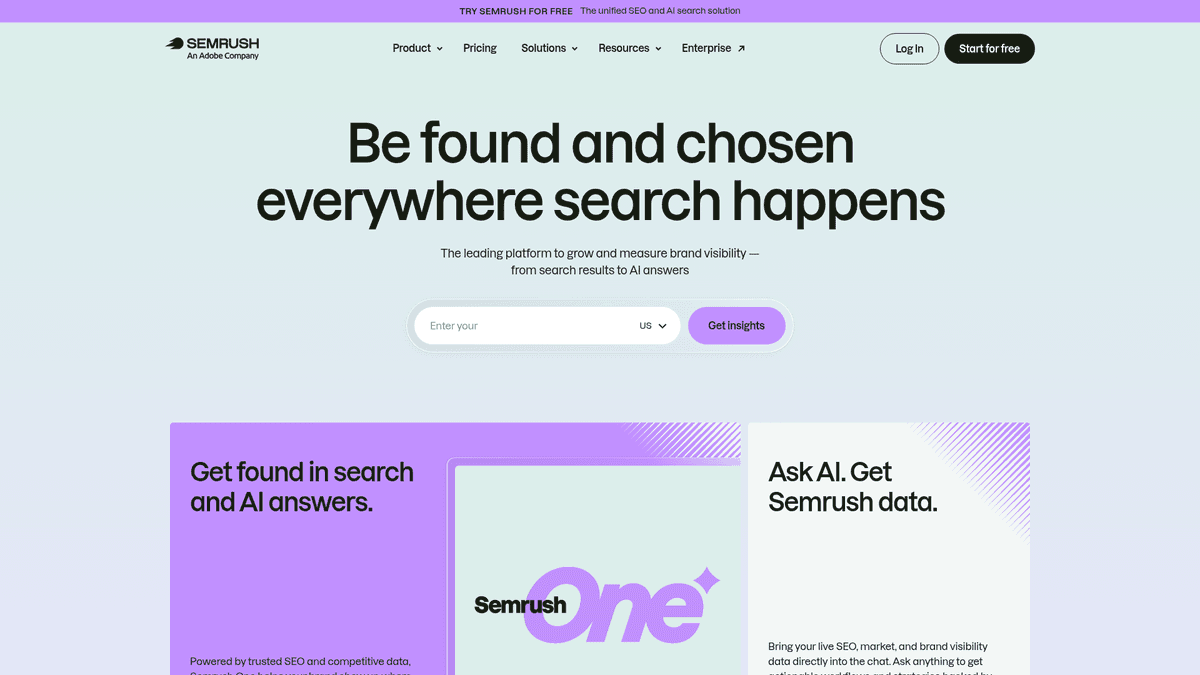
Semrush gives a team working on content, technical SEO and links a broad place to research a market and coordinate specialists. A solo founder trying to publish regularly may not use much of that breadth.
Ahrefs
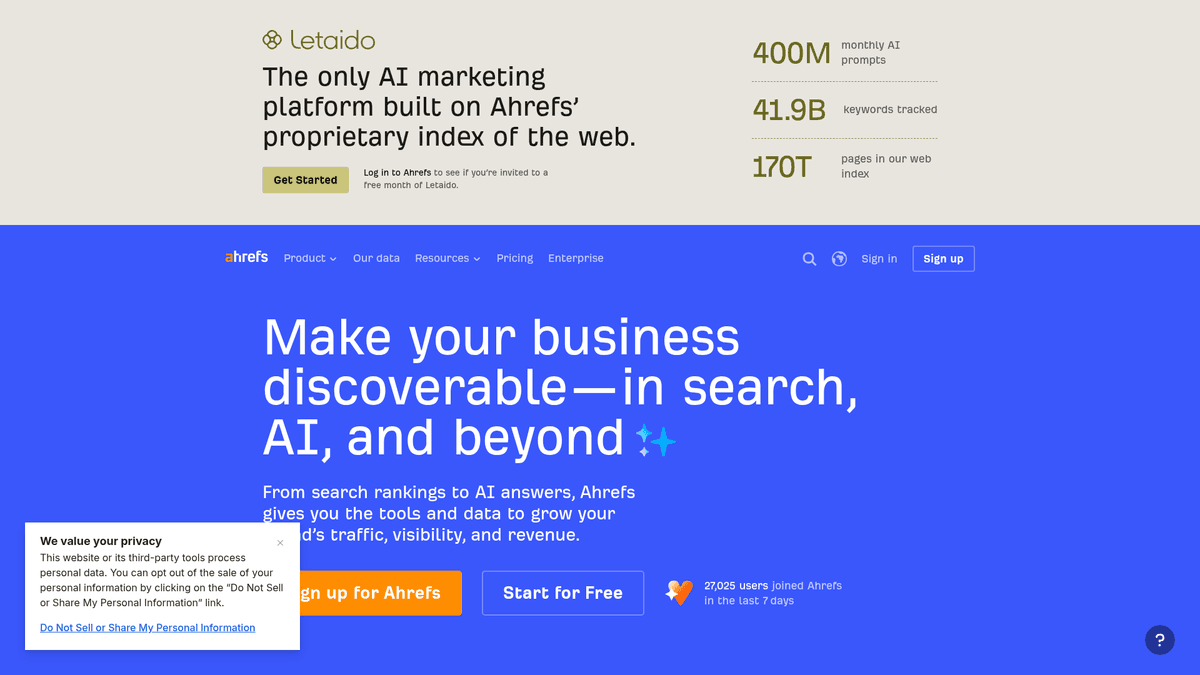
Ahrefs suits operators who spend a lot of time exploring search demand, sites in their market and backlink profiles. You will still have to turn the opportunities you find into finished posts.
SE Ranking
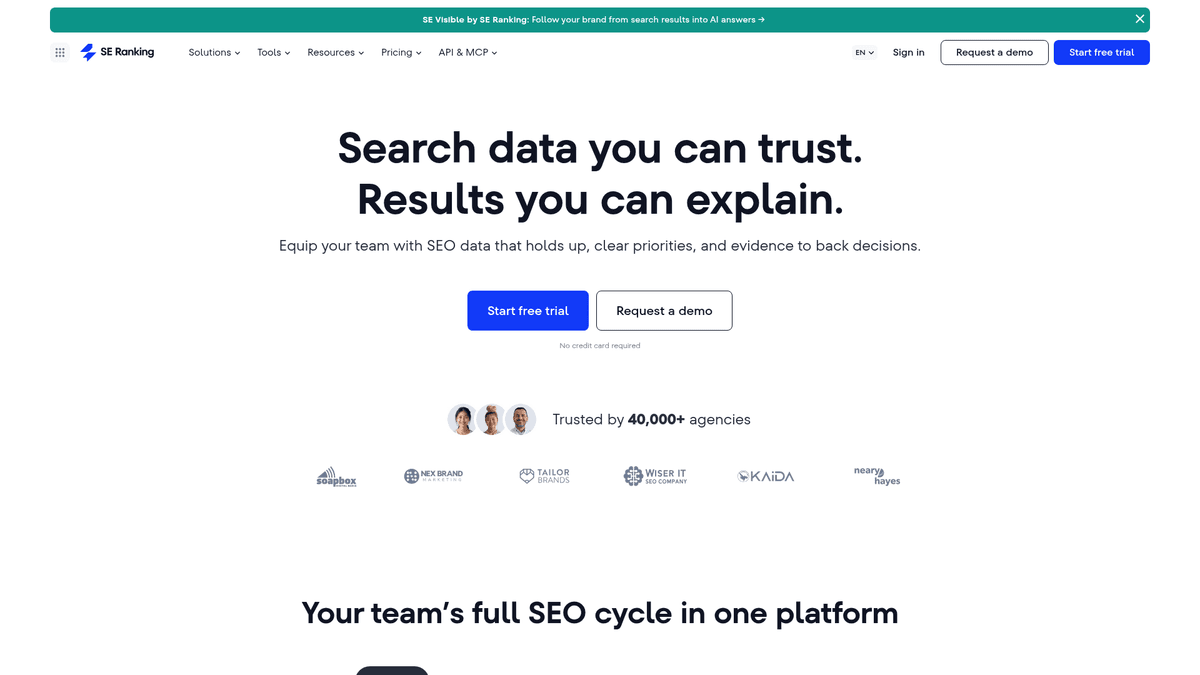
SE Ranking puts research and rank monitoring in one workspace. That works well for ongoing SEO operations; hands-off content production calls for a separate look at the publishing workflow.
Before buying a suite, ask who will use the findings. If no one can own the audit fixes, outreach or content calendar, a large feature set will not create output. If you do have an SEO lead, the suite makes it easier to keep research and monitoring together.
If SE Ranking is on your shortlist, see the SE Ranking alternatives for a closer comparison.
AI SEO content and publishing
“AI content tool” might mean an editor for a draft or a system that handles production from topic to publication. Decide which you need before looking at interfaces. A content score helps an editor, while topic selection, images and publishing remain separate jobs.
RankSpot
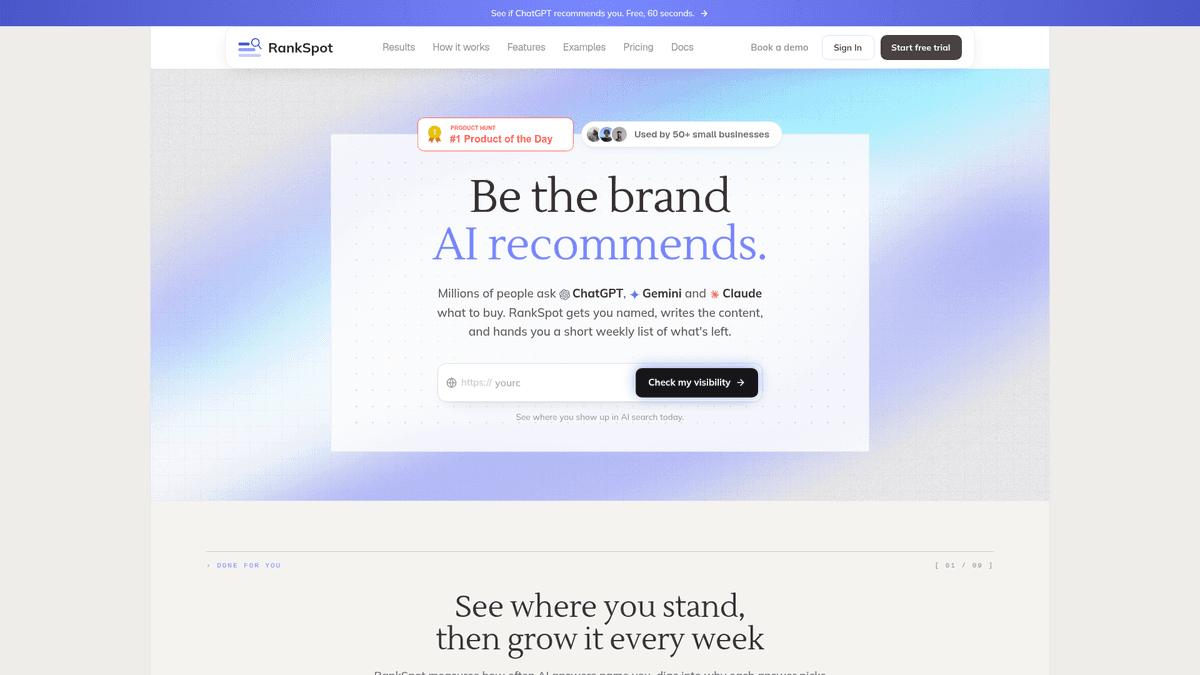
RankSpot suits founders and small teams that need a steady research-to-publishing workflow. From a business website, it builds a content plan, finds high-intent and competitor keywords, writes articles for search and AI answers, creates images and publishes through supported CMS integrations. Teams that want to hand-tune every paragraph and run their own calendars may prefer an editor-first setup.
Surfer
Surfer helps a writer or editor align a draft with a target query. It focuses on content optimization; planning, writing and publishing still need owners.
Frase
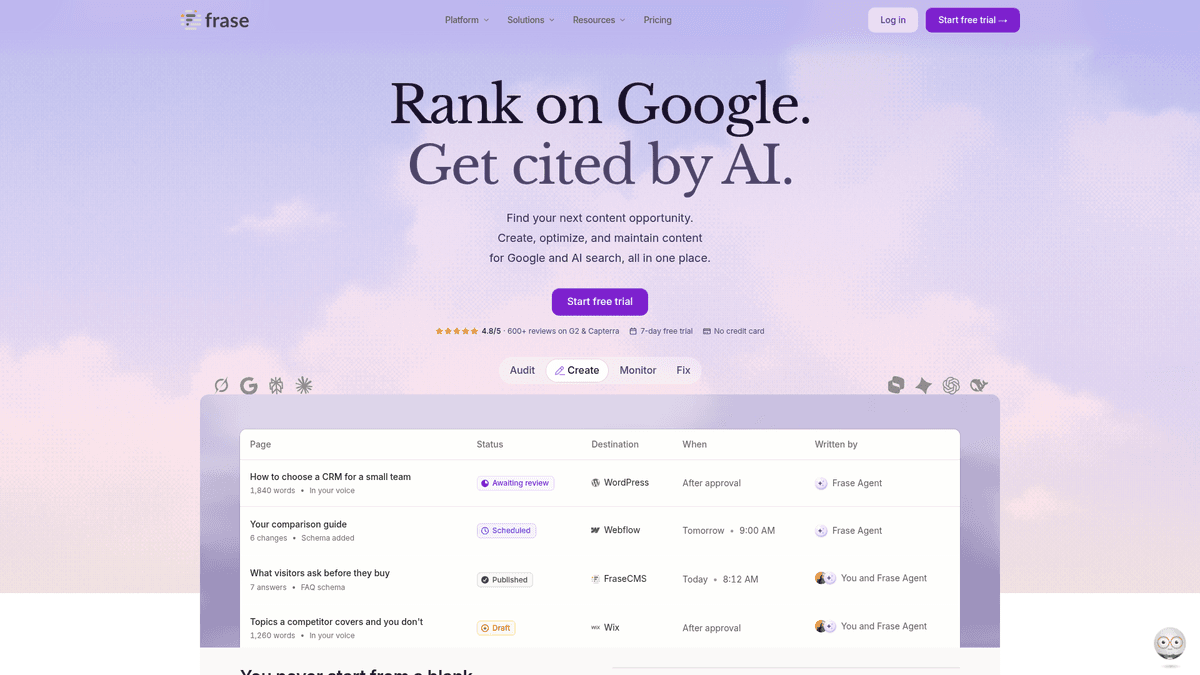
Frase is useful when research and briefs slow your writers down. If you do not have a writer, you will still need someone to turn a brief into a finished post.
Scalenut

Scalenut combines AI-assisted writing and SEO content workflows. It suits teams that want to decide how much of their editorial process they will handle themselves.
Which SEO tools work best for content optimization?
Use Surfer or Frase when a writer owns the draft and wants support with structure and topical coverage. Scalenut suits a team looking for an AI writer inside a broader content workflow. Use RankSpot when the constraint is not editing one page but getting a stream of researched, formatted articles onto your site. None of these choices makes fact-checking optional. Before publishing, read the finished post as a customer would: is the claim specific, is the answer clear and does the page help someone make a decision?
For a lean team, count the handoffs: topic selection, brief, first draft, review, visuals, internal links and CMS upload. Shortening one step helps. Removing several may save more time, even when you review each post before publication.
If you have writers in-house, try an editor-led workflow before you replace it. If publishing repeatedly falls off the calendar, start with the production bottleneck instead.
For a side-by-side look at the production options, read AI SEO tools for founders.
Keyword research
Start keyword research with topics tied to what you sell, a reasonable chance to compete and a clear page to create. A giant export of terms will not tell you whether a visitor might become a customer.
RankSpot for keyword-to-post planning
RankSpot connects keyword selection to a content plan and article production. Small teams can move from an opportunity to a published post instead of leaving it in a spreadsheet. Analysts building custom datasets may want a different research tool.
Ahrefs for detailed search discovery
Ahrefs lets you investigate topics and the sites already winning them before you choose a page to build. You get direction from that research, then need a content operation to follow through.
LowFruits
LowFruits is a focused option for finding less-contested search opportunities rather than buying a broad SEO suite. That narrow focus can be useful for a small site, though it does not replace your publishing or analytics setup.
Use a short prioritization pass before writing. Sort ideas by relevance to your offer, the searcher's likely next step and whether you can add firsthand detail. For example, a shop selling a specific product may get more value from a precise comparison or use-case page than a broad “what is” definition. If you cannot explain why your page should exist, a keyword metric will not fix that.
Here is a practical framework for finding high-intent search keywords when the list of possible topics gets too long.
Rank tracking
Rank tracking shows whether your target pages are becoming easier to find for the searches you care about. A position change is a diagnostic signal. Pair it with clicks and conversions before calling it a win.
RankSpot for content-led monitoring
RankSpot fits when you want to keep content opportunities and published articles in one ongoing SEO process. If you produce custom position reports for clients, a dedicated tracker deserves a look.
Nightwatch
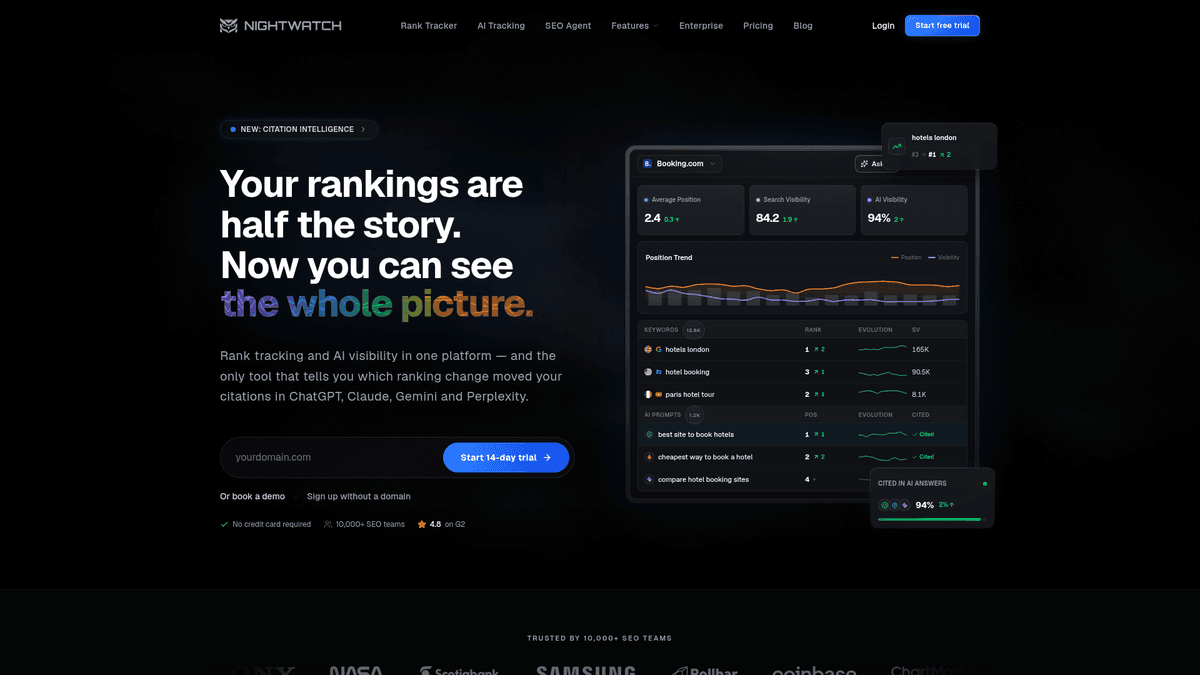
Nightwatch gives teams focused keyword-position monitoring and reporting. It fits client work or internal reporting where positions carry weight. It will not solve a shortage of content.
SE Ranking for research plus tracking
SE Ranking has tracking in the same workspace as research and audits, which can cut down on tool switching. Teams with demanding reporting needs may still want a dedicated tracker.
Choose a consistent group of target queries and the pages meant to answer them. Record what changed on the page and when it was published; otherwise, a position chart is easy to overread. A movement on a low-intent term matters less than qualified visits to a page connected to revenue.
Backlink analysis
Links show which pages others find worth citing. A backlink checker shows where links come from, what competitors attract and which pages deserve closer inspection. Your team still has to earn credible mentions.
RankSpot for link-worthy content production
RankSpot helps a lean team publish pages worth sharing. It complements a specialist backlink database; if you spend your days finding link prospects, you need a dedicated link tool.
Ahrefs for backlink research
Ahrefs makes sense if you spend a lot of time exploring backlinks. Read the linked page and the surrounding context. One relevant mention can tell you more about an audience than a pile of unrelated domains.
Semrush for links within a wider SEO suite
Semrush keeps link research beside the rest of your SEO work. That is handy when the same team moves from inspecting a competitor's links to working on its own site.
Do not mistake “copy their links” for a strategy. Find why a page earned a mention, such as original data, a useful tool or an unusually clear explanation, then build something your customers would actually reference. For a new site, that can be more productive than chasing every link in a competitor export.
If links are your main focus, compare the best backlink checker tools before subscribing.
GEO and AI visibility
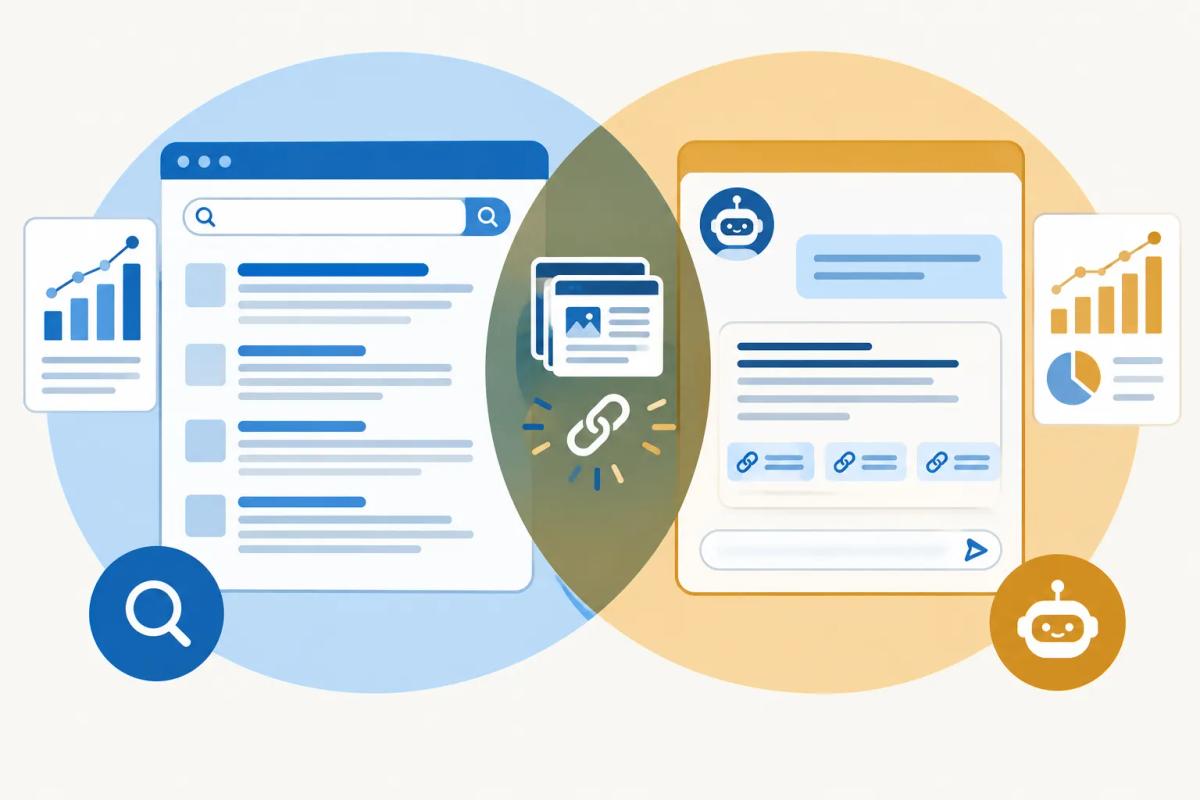
Generative engine optimization (GEO) focuses on making your brand and its information useful in AI-generated answers. Keep traditional rankings and AI mentions separate when you measure them. A page might get search clicks without appearing in an AI answer; an AI answer might name your brand without sending a visit. You may need to create citable content, measure mentions, or do both.
"In Pew Research Center’s analysis, users clicked a traditional result on 8% of Google searches with an AI summary, versus 15% of searches without one." - Pew Research Center
Most sites are not set up for this yet. In Amply's audit of 250 B2B SaaS websites, only 8% used FAQ schema, and 31% had no structured data at all.
RankSpot for AI-ready content creation
RankSpot handles the creation side: planning and publishing content structured for traditional search and AI answers. If your main job is monitoring prompts, add a dedicated measurement tool.
Otterly AI
Otterly AI helps you observe where your brand appears in AI answers. It fits when you already publish content and want to see whether those answers mention you.
Peec AI
Peec AI tracks how brands show up across AI answer experiences. It gives teams a way to measure visibility while they continue building useful pages.
Profound
Profound suits a team with someone responsible for AI-answer visibility and a need for a specialist workspace. Founders starting from scratch should usually get publishing and search measurement working first.
Write down the questions real buyers ask before monitoring them. If you only track broad prompts, the dashboard may look interesting but tell you little about purchase intent. Compare whether your brand is named, how it is described and which source pages appear, then improve the underlying content instead of trying to game a single answer.
See the AI visibility tools comparison for a closer look at monitoring options.
Free essentials
The three free tools below sit alongside the 12 paid platforms. Set up measurement before you subscribe to anything. You need to see what Google finds and what visitors do to judge whether a new research or writing tool helps.
Free SEO tools give you a baseline. When you need deeper market research or steady publishing, try a paid tool against one specific task. RankSpot lets you start with three free articles and no credit card, so you can judge the posts and the publishing workflow before committing. Count the time you spend reviewing them, then compare it with the time you would spend researching, writing, sourcing images and uploading posts yourself.
Google Search Console
Search Console shows how your property performs in Google Search and surfaces indexing information. Look for pages with impressions but few clicks, queries you already appear for and problems that keep pages from being discovered. The data concerns your own property, so you will need another tool to explore competitors.
Google Analytics 4
GA4 shows what people do after they land on your site. Read its landing-page and conversion data beside Search Console's search data, so you do not optimize for impressions alone. For competitor keyword research, you will need a different tool.
Ahrefs Webmaster Tools
Ahrefs Webmaster Tools lets site owners inspect SEO health and link-related data for their own sites. Start there for an audit. If you need to investigate beyond your verified site, a paid research workspace will make more sense.
For your first month, keep a small baseline: pages indexed, organic landing pages, relevant search queries and actions visitors take. This makes it easier to distinguish “we published more” from “the right people found us and did something useful.”
Which tool should I start with?
I would buy the cheapest stack that clears today's bottleneck. If you run a company on your own and need to get the blog moving, an agency's audit-and-reporting stack will leave you doing the writing anyway.
Situation | Start here | Add later if the need appears |
|---|---|---|
No budget, no reliable baseline | Search Console and GA4 | Ahrefs Webmaster Tools for a site audit |
Lean team with ideas but no time to publish | RankSpot plus the free essentials | A specialist research or AI-visibility tool |
Writer producing drafts but struggling with optimization | Surfer or Frase plus the free essentials | A suite for broader research |
SEO lead running research across sites | Semrush, Ahrefs or SE Ranking plus the free essentials | A dedicated content or AI-visibility workflow |
Consultant reporting positions to clients | Nightwatch or SE Ranking plus the free essentials | A research suite if you need deeper discovery |
Team with an established content engine, unsure about AI answers | Otterly AI, Peec AI or Profound | Creation capacity if the monitored questions lack good source pages |
On a tight budget, avoid paying twice for similar research dashboards. Start with free measurement and one paid tool for the task holding you up. A content team may need a research suite and an editorial tool. Without that team, more keyword ideas will sit in a spreadsheet while the blog stays quiet.
For a lean team short on publishing time, RankSpot brings planning, writing, images, CMS publishing and AI-answer optimization into one workflow. Backlink prospectors and consultants who live in client rank reports should start with specialist tools instead. If getting useful articles live is the job that keeps waiting, try RankSpot's free articles and see whether the workflow gives you that time back.
FAQ
Can I learn SEO myself?
Yes. Start with Search Console and GA4 to understand which pages get discovered and what visitors do next. Pick one task, such as choosing relevant keywords or improving a page with weak clicks, then use a specialist tool only when you know what you need it to do.
Is SEO difficult to learn?
The basics are manageable, but doing research, producing useful pages, fixing technical issues and measuring results takes time. Choose tools by your bottleneck: a research suite for diagnosis, a production platform for publishing or free analytics to establish a baseline.