Looking for an Arvow alternative because credits or plan gates make your budget hard to predict? Decide whether you need published articles, stronger existing pages, or a view of where AI answers mention your brand. I'd start with RankSpot for the full publishing and visibility workflow, Surfer SEO for hands-on editing, and a GEO tracker if the writing is already covered.
Arvow itself is not a bad baseline. Its published pricing lists Solo at a promotional $39 per month on annual billing with 1,000 monthly credits and one website. Business, the tier that adds LLM brand visibility, automatic backlinks, and a sub-account, is advertised at $69 per month on annual billing with 3,000 credits and five websites. The site also displays higher crossed-out rates. That distinction matters if you were budgeting for AI visibility at the entry price.
Pew Research Center found that people clicked a traditional search result in 8% of visits when Google displayed an AI summary, compared with 15% of visits without one. That's one reason I wouldn't judge an SEO platform by article output alone.
"People clicked a traditional search result in 8% of visits with an AI summary, versus 15% without one." - Pew Research Center
RankSpot appears first, followed by nine writing and SEO workflow tools. Three GEO monitoring products follow. That's 12 alternatives to Arvow besides RankSpot; a monitoring dashboard and a blog publisher do different jobs.
Arvow alternatives at a glance
Entry prices are in USD. Pay attention to what each tier buys you: articles, words, prompts, publishing features, or some mix of them. Annual offers and promotional rates are identified where they affect the comparison.
Tool | Best for | Starting price | What you are buying |
|---|---|---|---|
RankSpot | Founders wanting SEO publishing plus AI visibility | $99/month | Content workflow, publishing, search and AI monitoring |
KoalaWriter | Niche-site writers who want control over individual posts | $9/month | Word-based AI writing |
Surfer SEO | Editors refining existing drafts | $99/month | Content Editor and on-page guidance |
SEOWriting.ai | Budget-conscious bulk content teams | $19/month | AI article generation |
Scalenut | Teams planning clusters and quick drafts | $59/month monthly billing | SEO content workflow |
RightBlogger | Solo bloggers who use many writing tools | $49/month | Blogger-oriented AI tools and automation |
Autoblogging.ai | Publishers producing many drafts | $19/month | Credit-based article generation |
Writesonic | Teams mixing content with AI-search work | $49/month for Lite in published comparisons | Content tools; GEO monitoring is on higher tiers |
Machined.ai | Content clusters and internal links | $19/month on its current pricing page | Platform access; AI usage may cost extra |
Outrank.so | Low-touch scheduled publishing | $99/month in published comparisons | Automated content publishing |
AthenaHQ | Agencies analyzing AI recommendations | $295/month for Starter in published comparisons | GEO analytics, not a blog pipeline |
Otterly AI | Lightweight AI mention monitoring | $29/month in published comparisons | AI search tracking, not article production |
Profound | Teams with a dedicated AI-search budget | $99/month for Starter in published comparisons | AI visibility; broader programs cost more |
How to read the prices: These are starting points, not a normalized cost per published article. A monthly plan, annual equivalent, extra model usage, and a tier that includes GEO can produce very different totals. Arvow's own page, for example, shows $39 for Solo under its annual offer, while LLM brand visibility sits on Business.
Why people look for Arvow alternatives
Arvow bundles autoblogging, keyword research, integrations, images, and linking into its Solo plan. That is a meaningful set of features. I would not switch simply because another homepage promises more AI articles.
I'd switch for one of these reasons:
You need predictable output costs. Arvow allocates credits per month, and its plan limits vary by site count. An operator publishing across client properties should model the actual output they need, not just the headline price.
You want AI visibility on an entry plan. Arvow puts LLM brand visibility in Business rather than Solo. A founder whose priority is tracking recommendations should compare the tier that includes that feature.
Your bottleneck is editorial quality. More drafts won't help if the team spends its week rewriting generic sections. An optimizer or research-aware writer may be a better purchase than another autopilot subscription.
You already publish enough but cannot measure discovery. AI mention monitoring is a separate job from producing blog posts. GEO-only platforms can do that job, but won't replace the publishing workflow.
Give an automated writer one real target keyword and your actual product information. Read the resulting draft for factual errors, search intent, internal links, and whether the call to action fits. A generic sample post won't show you how much editing your own content will need.
Is Arvow only an autoblogger?
No. Alongside AutoBlog, Arvow lists a site optimizer, automatic keyword research, linking, images, integrations, and API access on Solo. Business adds AI visibility and other agency-oriented features. That breadth makes it closer to an AI SEO platform than a one-click content generator, but the price of the particular features you need matters more than the size of the feature list.
Does Arvow build backlinks automatically?
Arvow lists automatic backlinks on Business, not Solo. Its backlink exchange is a network-based approach, not the same thing as earning an editorial citation from a publication that independently chose your page. If links are the deciding factor, assess the referring sites and placement relevance separately from the content generation subscription. A backlink exchange does not replace an authority-building workflow for competitive terms.
1. RankSpot: best for a small team that wants publishing and visibility in one place
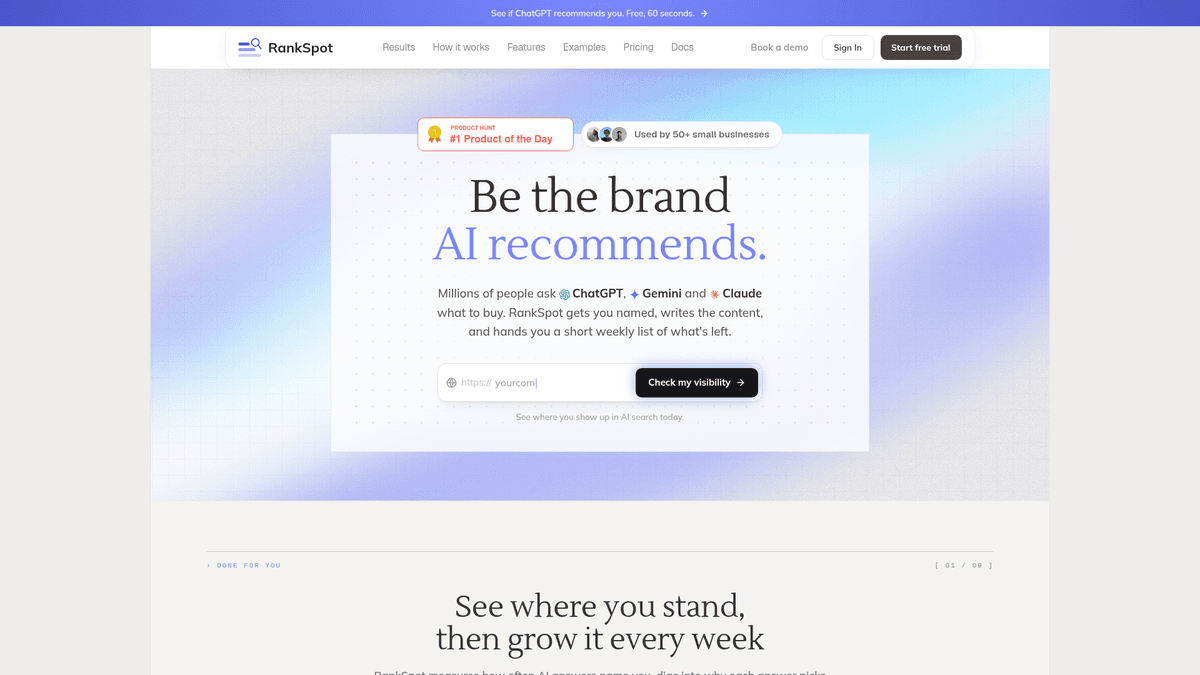
RankSpot suits a small team without someone to run the content calendar. Add your site and it maps your niche and competitors, finds buyer-relevant search terms and AI questions, plans articles, writes them, and publishes to a connected CMS. Its homepage lists WordPress, Webflow, Wix, Shopify, Framer, and Ghost and says it can produce up to 30 articles a month.
I'd pay attention to the measurement screen. RankSpot puts Google Search Console clicks, impressions, and positions beside tracked AI mentions, citation share, and competing brands. It also finds directories and forum threads that appear in AI answers, giving you work to do beyond the next blog post. Its site says it supports 100+ languages and prices the combined workflow from $99 a month.
If you can approve a plan but cannot write and upload posts every week, it's a good fit. You're buying guided automation, though, not a granular editor like Surfer. A team that tunes every paragraph against a content score may still want a specialist.
2. KoalaWriter: best for niche-site operators writing one post at a time
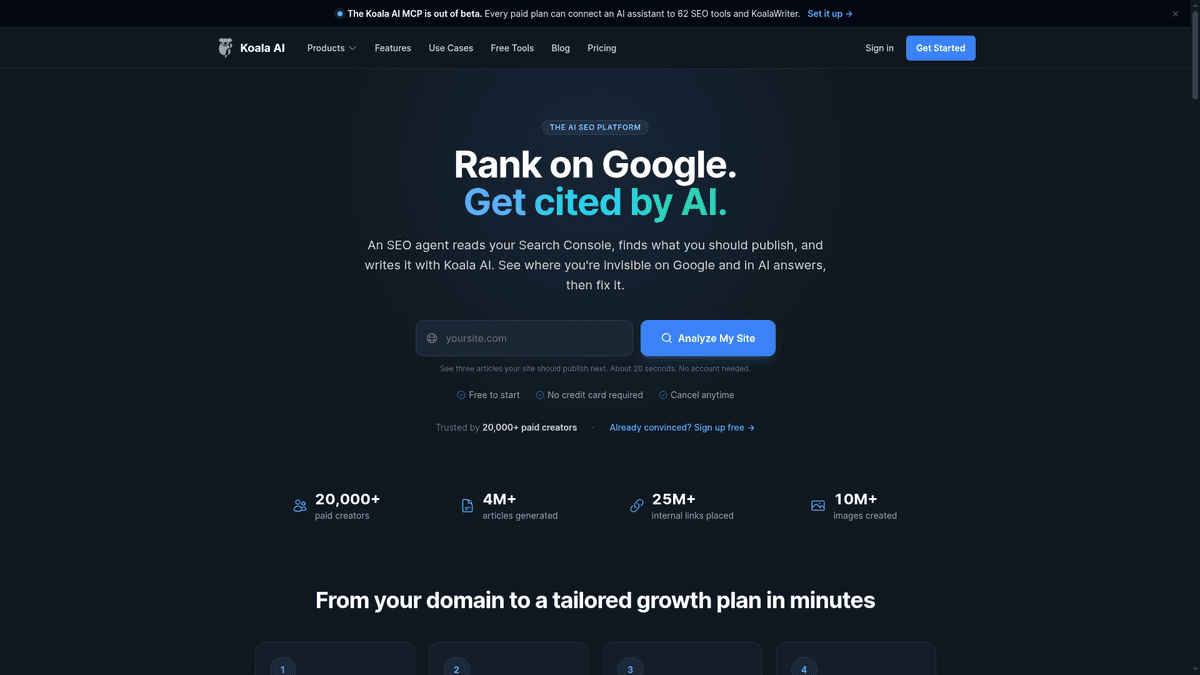
KoalaWriter leaves topic selection and final edits with you. Give it a topic and research inputs to generate a draft; you don't need to hand it the whole SEO calendar. The wider Koala AI suite includes chat, images, and linking tools. Entry pricing is listed from $9 per month, with word allowances rather than unlimited publishing.
That word model is the detail I'd watch. A low starting price can work well for a small affiliate site publishing a handful of reviews or informational posts. It is less compelling when you need a steady high-volume schedule, especially if your chosen generation settings consume the allowance quickly. Give it a product comparison with specific specs and citations to see how much editing the result needs. If you want a fuller look at the category, see our KoalaWriter alternatives breakdown.
Pick KoalaWriter over a full autopilot system when your content strategy is already set and you want a faster draft without giving up selection of topics or the final editorial pass. It does not replace a dedicated AI mention tracker.
3. Surfer SEO: best for on-page optimization depth
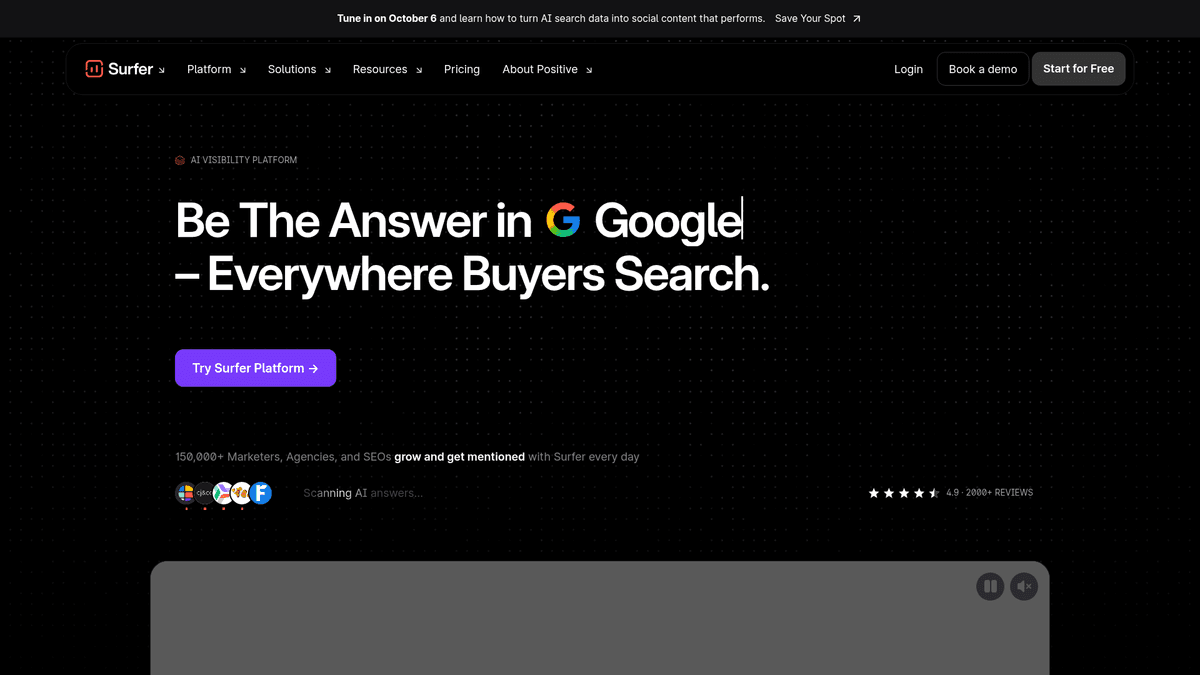
Surfer suits a team with writers who need better editing guidance before publication. Its Content Editor draws on pages targeting the same query, and its scoring gives an editor something more concrete than a generic prompt. Published pricing comparisons put the entry tier at $99 per month on monthly billing, with a lower annual equivalent.
Say you have a service page that is accurate but thin on the subtopics buyers ask about. Surfer can help you spot missing terms and structural gaps while you edit the page. It is less appropriate if the main problem is that nobody writes or publishes articles at all. A content score also cannot validate an unsupported claim, so keep a human fact-check step.
I would buy it to improve an established editorial workflow, not as a like-for-like replacement for Arvow's automated CMS publishing and visibility features.
4. SEOWriting.ai: best for keeping bulk drafting costs low
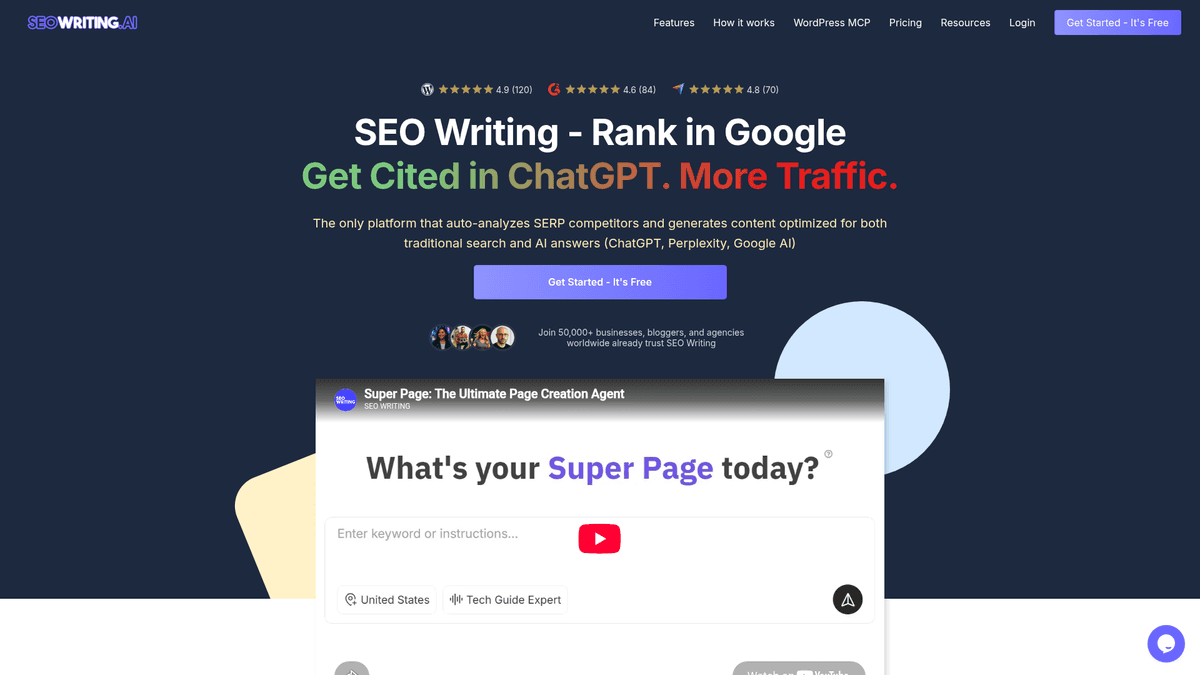
SEOWriting.ai turns a batch of keyword ideas into first drafts, with speed and search-oriented formatting as the draw. A published pricing comparison lists its entry paid plan at $19 per month. Other offers show lower annual equivalents, so keep the billing term straight when comparing it with Arvow.
The upside for a budget-conscious SEO is clear: you can produce a queue of drafts without paying for an enterprise research stack. The cost is editorial work. If you plan to cover medical advice, financial decisions, or precise product claims, bulk generation is only the start of the workflow. A draft still needs source checks, genuine examples, and a reason for a reader to trust the site.
I'd use it for a publisher with a defined keyword map and someone available to review output. I would not choose it as the only tool for measuring search positions or how often AI systems recommend the business.
5. Scalenut: best for cluster planning and fast drafts

Scalenut gives you room to plan before you draft. Cruise Mode speeds up the move from keyword to article, and clustering groups related subjects for a content team. Scalenut lists Starter at $59 per month on monthly billing, or $24 per month on annual billing.
If you're building a topical library, you could use it to organize an invoicing hub around buyer questions, workflows, and individual tools instead of generating a dozen disconnected posts. You'll still decide which pages deserve priority and whether the drafts say anything worth publishing.
It's a good fit if you want help planning and writing but prefer to manage the calendar yourself. Teams that need research to flow straight into their CMS should compare the publishing steps, not assume every AI SEO suite works the same way.
6. RightBlogger: best for solo bloggers using several AI helpers

RightBlogger is built around a blogger's daily chores: coming up with ideas, drafting, and using supporting writing tools. Pricing starts at $49 per month with unlimited AI words, autoblogging, SEO reports, and a Site Agent. One subscription covers the small tasks a solo writer would otherwise handle across several apps.
Unlimited words won't guarantee publish-ready articles. You still need to select topics and review the work. I'd use it on a one-person site where the owner knows the niche and wants to move from outline to draft quickly. An agency will care more about how client sites, approvals, and reporting fit together.
Its blogger focus is a strength, but if your purchasing decision rests on tracked AI citation share or search rank reporting in the same dashboard, RankSpot or a dedicated monitoring product is the clearer match.
7. Autoblogging.ai: best for generating many drafts with credits
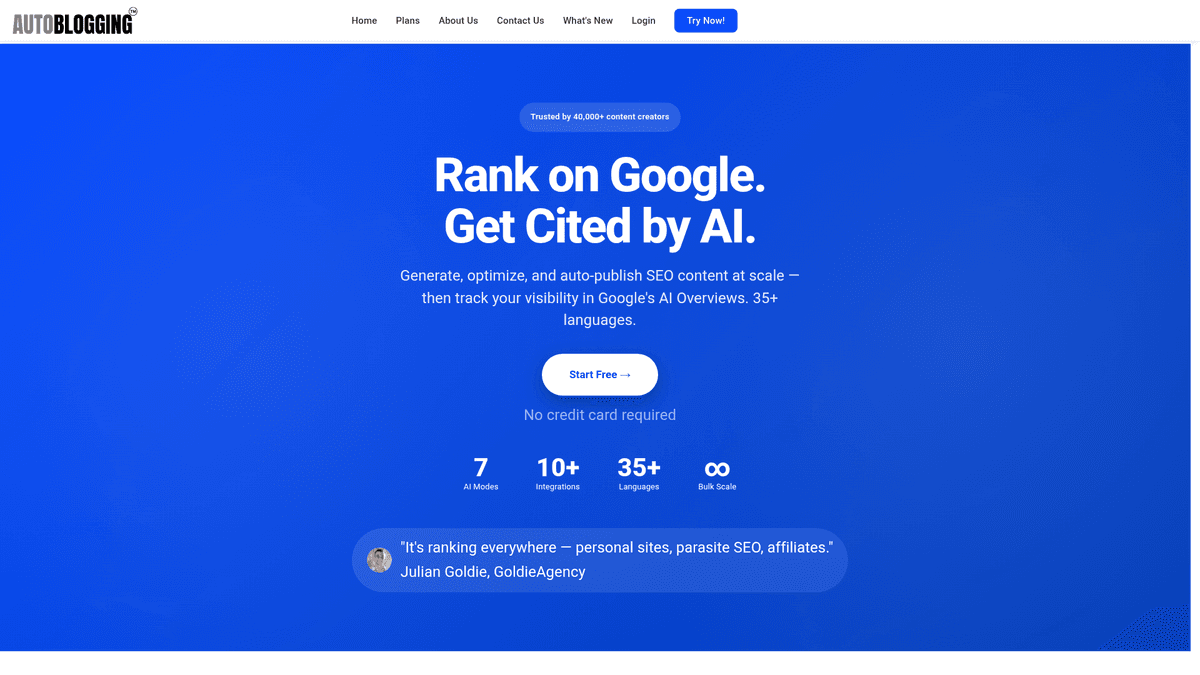
Autoblogging.ai offers multiple generation modes and bulk production for publishers who know the topics they want to cover. Its published plan details start at $19 per month for 40 credits, with larger monthly allowances at higher prices. It is closer to Arvow's volume-oriented side than a dedicated on-page optimizer is.
How does Autoblogging.ai support an SEO workflow?
You can move from a list of target subjects to batches of articles generated in its different modes, then review and publish those drafts. That makes content volume and cost per usable article the important measures, not the number of articles generated. Keyword selection, competitor analysis, product accuracy, and quality control still need an owner. If your team wants more control over every paragraph, a content optimization editor is a better fit than bulk automation.
For a niche portfolio, credits can be manageable if every site has a planned queue and you know the cost per finished article. The danger is treating a generated file as a finished asset. Articles on commercial keywords need product details, original judgment, working links, and a review for claims that could mislead a buyer.
This is the pick when draft throughput is the limiting factor. It is not the pick when you need a clear view of which AI answers mention your company or why a specific page sits at a particular Google position.
8. Writesonic: best for content teams adding GEO to their workflow
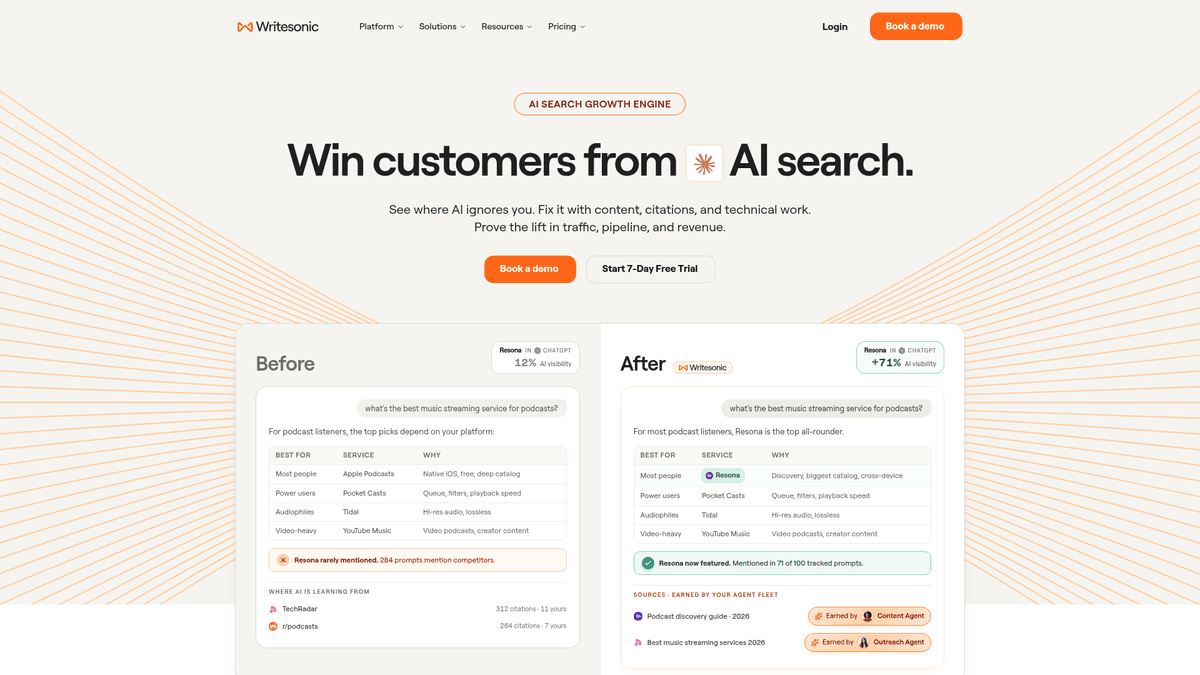
Writesonic offers AI writing and search visibility, but those jobs sit on different tiers. Lite costs $49 per month on monthly billing or $39 per month on annual billing in published pricing comparisons. AI-search visibility comes on higher tiers; one published review prices that tier at $249 per month on monthly billing.
Lite could be enough if you already monitor AI answers elsewhere. For visibility tracking as well, compare the eligible tier with a combined platform or a writer paired with a standalone GEO tracker. The $49 plan is a content purchase, not a full GEO budget.
Writesonic fits a team that expects to grow into a broader AI-search workflow. Its limitation for a lean founder is the jump between inexpensive drafting and the plan that supports the distinctive monitoring use case.
9. Machined.ai: best for topic clusters with internal links
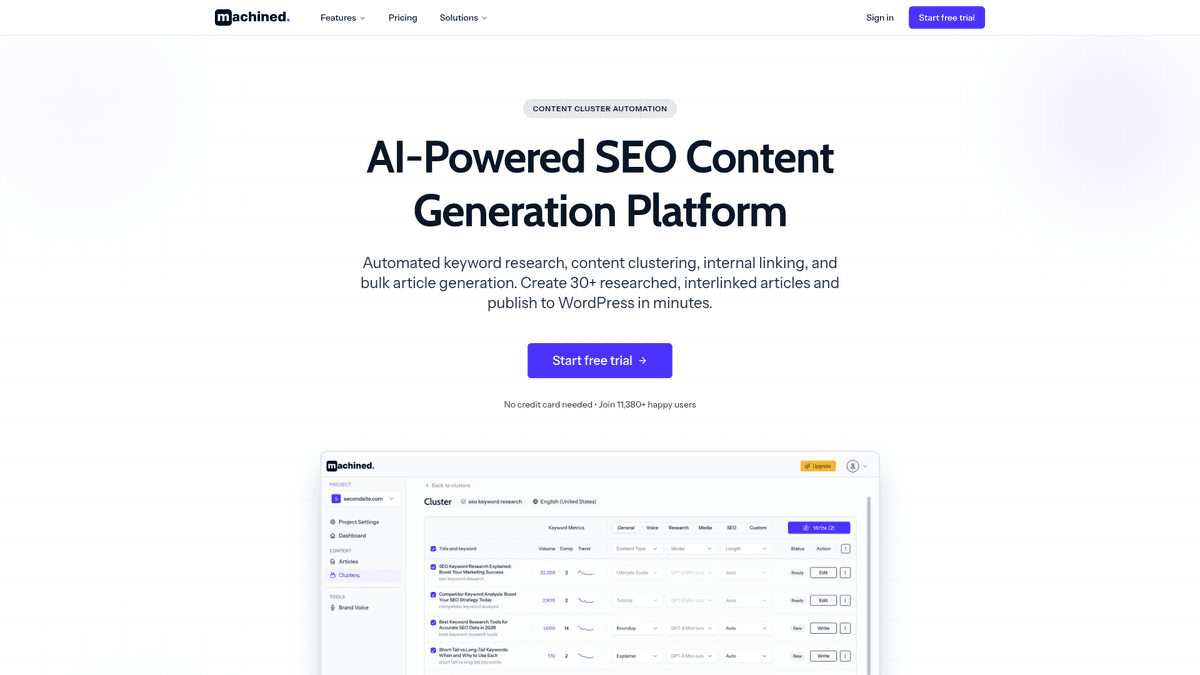
Machined.ai approaches content as a connected set of pages. Rather than writing isolated articles, it emphasizes topic clusters, keyword grouping, and links between related posts. Its pricing shows platform plans from $19 per month. Its terms say underlying AI usage is billed separately by the model provider, so the platform fee is not necessarily your all-in publishing cost.
I would use it when a content site's architecture is messy: lots of orphaned articles, little thematic grouping, and no obvious path from supporting posts to the main money page. The internal linking angle can make each new piece more useful in the context of the site. It cannot decide whether the original content deserves to exist, though. Plan the clusters around actual demand rather than generating a large set simply because the tool allows it.
For a one-site operator with a narrow niche, that can be a useful fit. For an agency, add model usage and review time to the platform fee before you compare it with a flat publishing subscription.
10. Outrank.so: best for a hands-off posting cadence
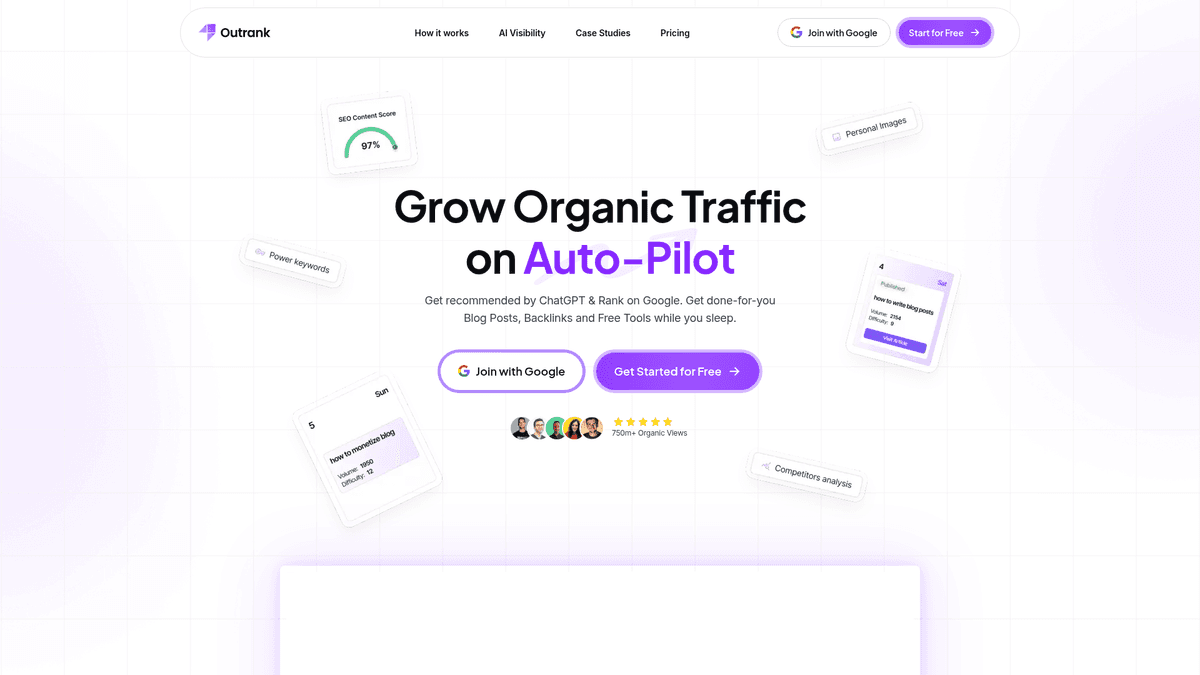
Outrank.so targets the founder who wants to set up automated SEO content and see posts appear regularly without juggling separate generation and upload steps. Published comparisons describe an entry plan at $99 per month for 30 articles, with CMS publishing and automation as the main draw.
If your site has a stable set of evergreen topics and no writer, the scheduled-output model is attractive. If you sell a product that changes weekly, I would build an approval step into the process. A published article that mentions an old feature or promises a price you no longer offer can cost more than the time it saved. Our SEO automation tools overview helps put publishing-first services in context.
Choose Outrank when consistent publishing is the bottleneck. If you need detailed scoring while editing, Surfer is the better specialist. If you need to connect content production to AI mentions and Google Search Console results, look for a platform that exposes those measurements together.
GEO-focused additions: three options that do not replace a writer
Generative engine optimization, or GEO, includes tracking whether AI answers name and cite your brand for relevant questions. A monitoring dashboard shows you those answers. You'll still need a content program if you want to influence them.
AthenaHQ: deeper AI-answer analysis for agencies
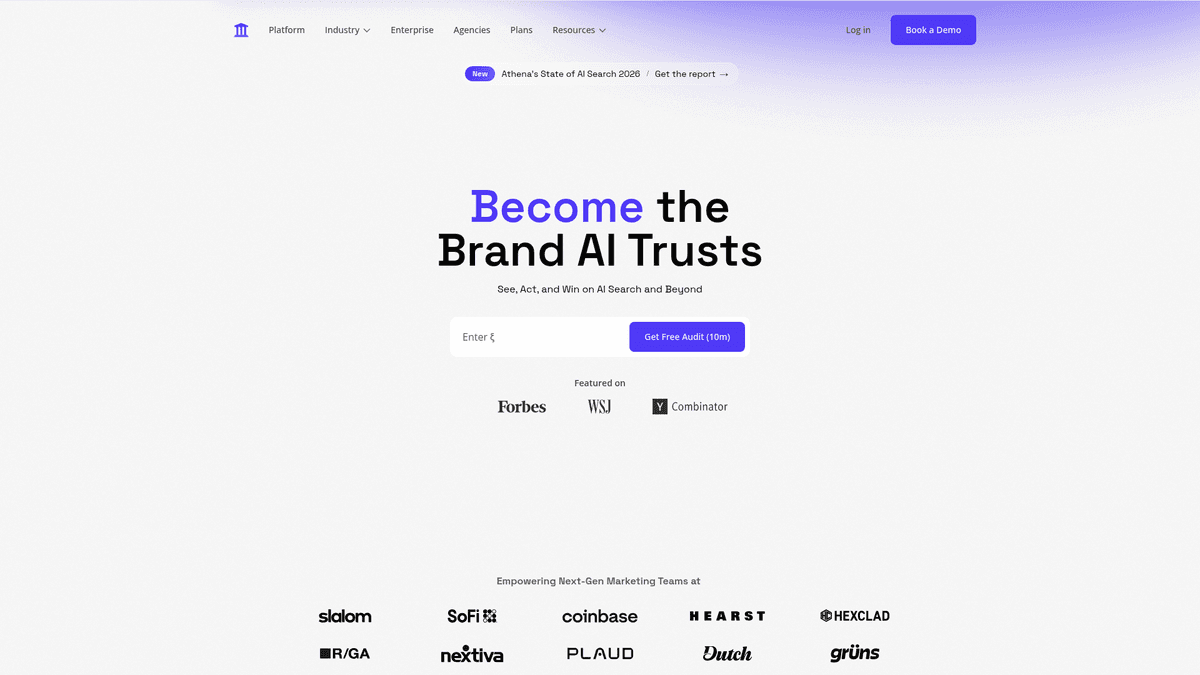
AthenaHQ shows where a brand appears in AI answers, which competitors appear instead, and the sources behind those answers. Published pricing comparisons place Starter at $295 per month on monthly billing; its plans also show an Essential free option. I can see the appeal for an agency reporting on several clients. It's a harder expense to justify if you run one site and mostly need articles.
Otterly AI: a lower-cost monitoring starting point
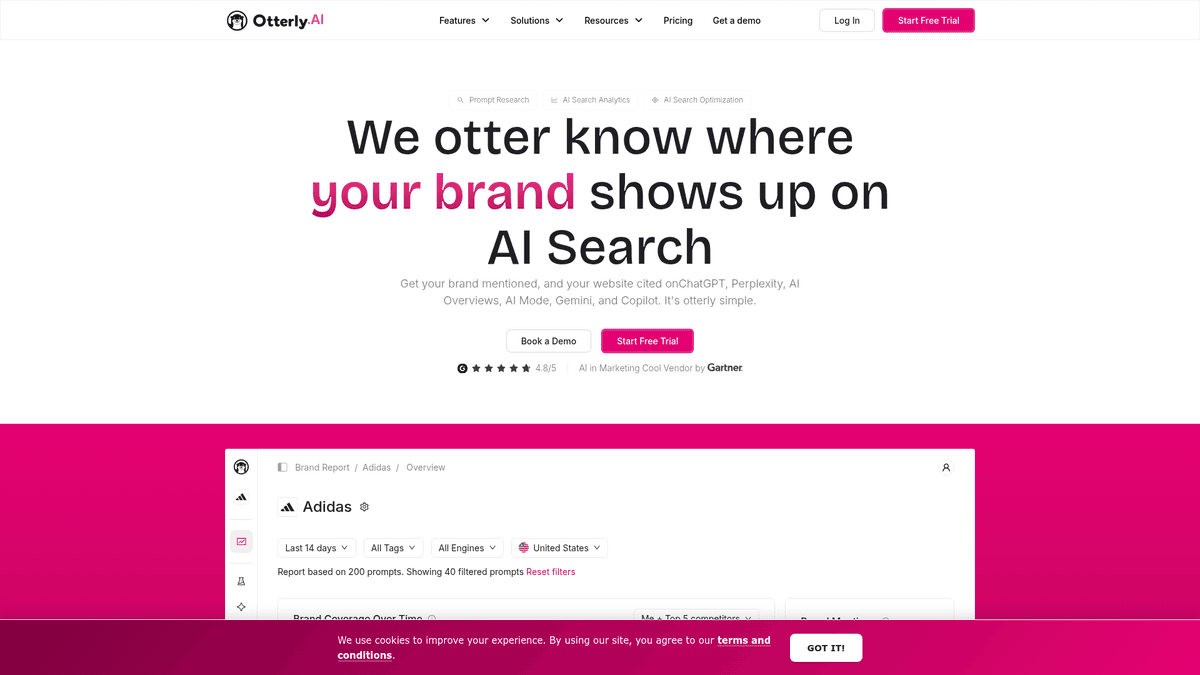
Otterly AI gives you a lower-cost way to watch brand mentions across AI search. Published comparisons list an entry tier from $29 per month. It fits when writers or a blog automation tool already handle content and you need to see the answers. You'll still research, write, edit, and publish elsewhere.
Profound: a dedicated visibility program
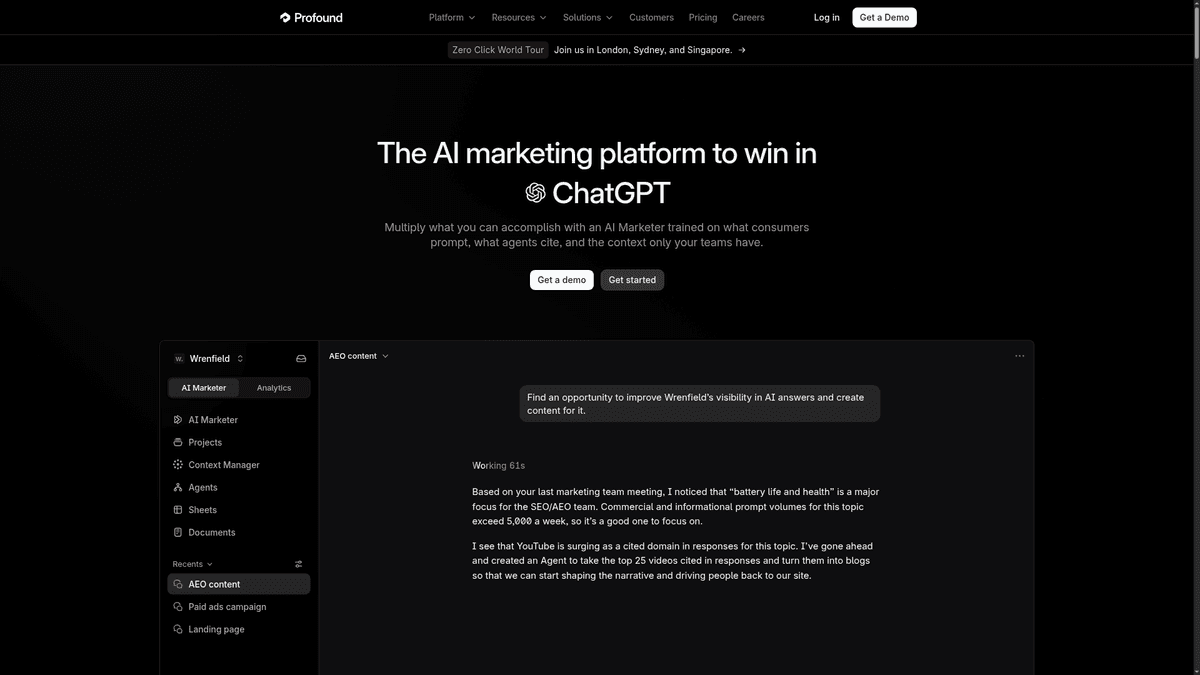
Profound is for teams willing to invest in AI discovery measurement. Published comparisons list a $99 per month Starter tier and a $399 per month Growth tier on monthly billing. The price spread reflects a decision you should make early: Starter won't stand in for the coverage of a larger program. Profound belongs on your shortlist if your content operation is already running; article production needs its own budget.
Which Arvow alternative should you pick?
I'd start with whatever stops your team from publishing or learning what happened afterward:
Your bottleneck | Shortlist | Why |
|---|---|---|
Nobody owns research, writing, publishing, and measurement | RankSpot | It ties the content workflow to search and AI visibility |
You have writers, but existing pages need sharper on-page editing | Surfer SEO | Its editor is built for hands-on optimization |
You run niche sites and want low-cost first drafts | KoalaWriter or SEOWriting.ai | You retain control over topics and editorial review |
You want fast clusters and internal links | Scalenut or Machined.ai | Planning and site structure are central to their workflow |
You need scheduled volume above all else | Autoblogging.ai or Outrank.so | Both prioritize a repeatable output pipeline |
You already publish enough but cannot see AI recommendations | Otterly AI, AthenaHQ, or Profound | Pay for monitoring rather than another writing tool |
For an agency, calculate the monthly cost at the number of websites and clients you actually manage. A one-site entry plan and a multi-client reporting plan solve different problems. Also separate content production from AI visibility monitoring in your budget; our AI visibility tools comparison goes deeper on that second job. An inexpensive writer plus an expensive GEO tier may cost more than a combined product, while a specialist optimizer may be worth the extra subscription if your editors use it every day.
Final verdict
KoalaWriter and SEOWriting.ai suit someone willing to edit drafts. Surfer helps when you have a draft and want to make it stronger. GEO trackers measure answers but leave the writing to you. For a founder without time to coordinate that stack, I'd start with RankSpot: it connects content planning and publishing with Google and AI visibility in one workflow. Add your website and a real buyer question, and see whether you'd publish the plan it produces.