Top 10 GrowthBar Alternatives in 2026
If you’re looking for GrowthBar alternatives, you’re usually in one of two camps.
Either you like GrowthBar’s simplicity but need more serious SEO depth. Or you like the AI writing angle but want something that does more than help with drafts and keyword snapshots.
That’s the real fork in the road.
Some teams need a fuller SEO suite with competitor research, tracking, and content optimization. Others want a better writing and publishing engine that can actually keep content moving without adding another tool, another freelancer, or another bottleneck.
This guide compares the best options in 2026 for both paths.
A quick reality check before we start:
"Organizations are utilizing an average of 121 tools, up from 91 in 2022." - Visionary
That’s exactly why many founders outgrow lightweight tools. A simple extension is nice at first, but eventually you need fewer disconnected tools, not more.
If your goal is to publish consistently, target high-intent terms, track competitors, and show up in both Google and AI answers, your stack matters a lot more than it did a year ago.
For readers evaluating broader SEO systems, it also helps to understand how modern SEO automation tools differ from traditional research-only platforms.
Quick comparison table
Tool | Best for | Starting price | Main strength |
|---|---|---|---|
RankSpot | Founders who want end-to-end SEO content automation | Free trial available | Full pipeline: research, planning, writing, images, publishing |
Scalenut | AI-assisted SEO content workflows | Custom / varies by plan | Content clustering and guided article creation |
SE Ranking | Teams that want a full SEO suite | Mid-market pricing | Rank tracking, audits, keyword research |
Surfer SEO | On-page optimization | Mid-market pricing | Content scoring and SERP-driven optimization |
Frase | Fast briefs and outlines | Lower-mid pricing | Question-based content briefs |
Ahrefs | Deep SEO research | Premium pricing | Backlinks and keyword data depth |
Semrush | Broad marketing suite | Premium pricing | SEO, PPC, competitor analysis, reporting |
Jasper | Marketing copy across channels | Mid-market pricing | Brand voice and broad AI writing workflows |
Byword | Bulk AI article generation | Usage-based | Programmatic content production |
Rytr | Budget AI writer | Low-cost | Simple drafting for solo creators |
How to choose the right GrowthBar alternative
Before picking a tool, get clear on what you actually need.
Choose a full SEO platform if you need:
keyword research at scale
competitor tracking
rank monitoring
audits and technical insights
better decisions on what to publish next
Choose a content-focused platform if you need:
faster briefs
optimized outlines
first drafts
content scoring
less time staring at a blank page
Choose an end-to-end automation platform if you need:
content research
prioritization
writing
images
formatting
publishing
less manual work every week
That last category is where the biggest shift is happening.
"On average, marketers save 6.1 hours per week through AI-driven content creation and SEO optimization." - Digital Applied
In practice, the best systems save far more when they remove handoffs between research, writing, editing, and publishing.
If you’re still building your process, this guide on auto SEO software can help frame what “automation” should actually mean.
1. RankSpot
RankSpot is the best GrowthBar alternative for founders and lean teams who want keyword research, competitor tracking, AI content generation, and publishing in one system.
Instead of giving you a lightweight extension plus writing help, RankSpot runs the full workflow. It learns from your site, your niche, and your competitors. Then it builds a 30-day plan, finds high-intent opportunities, writes long-form posts, creates images, formats them properly, and can publish directly to your CMS.
That matters because most SEO tools still stop halfway. They help you research or optimize, but they don’t help you consistently ship.
Why RankSpot stands out
fully automated end-to-end SEO pipeline
daily SEO article publishing for steady growth
optimization for AI answer engines like ChatGPT, Claude, and Gemini
competitor keyword tracking so you can copy what is already working
direct integrations with WordPress, Webflow, Wix, Shopify, Framer, Ghost, and more
built-in formatting, internal links, tables, and on-page structure
unique on-brand image generation per article
Reddit and forum discovery for real demand signals
support for 100+ languages
Best for
SaaS founders
indie hackers
small ecommerce teams
startups replacing agencies
lean teams that need output, not another dashboard
What to know
If you love GrowthBar mainly because it is very simple and inexpensive, RankSpot is a step up in scope. It is built for teams that want results from publishing consistently, not just occasional assistance while writing manually.
A lot of founders start by looking for a GrowthBar alternative and end up realizing they really need fewer tools overall. RankSpot fits that use case well because it replaces the keyword research tool, the AI writer, parts of the content brief workflow, the image workflow, and the publishing handoff.
Pricing
RankSpot offers a low-friction start with the first 3 articles free and no credit card required.
2. Scalenut

Scalenut is one of the most common picks for people who want a more SEO-native writing workflow than GrowthBar offers.
Its main appeal is that it blends keyword targeting, clustering, briefs, and draft assistance in one place. It is especially useful for teams creating blog content around topic clusters.
Why people choose it
guided article creation
keyword clustering support
content optimization features
useful for building SEO-focused content systems
Best for
content marketers
agencies
teams building topical coverage
users who want more structure than a lightweight AI writing tool
Tradeoffs
Scalenut is stronger on workflow than pure lightweight writers, but it still requires more hands-on management than a full automation platform. You will usually still manage planning, review, editing, and publishing yourself.
Bottom line
If you want a content-centric GrowthBar alternative that remains SEO-aware, Scalenut is a solid option.
3. SE Ranking

SE Ranking is a strong choice if what you really want is a fuller SEO suite.
It covers rank tracking, site audits, competitor analysis, backlink monitoring, and keyword research. For many users, it sits in a practical middle ground between cheaper lightweight tools and enterprise-level suites.
Why it works
broad SEO feature set
strong rank tracking
easier to adopt than heavier platforms
useful for agencies and in-house teams
Best for
businesses moving beyond basic SEO tools
users who want reporting and tracking
teams that care about rankings, audits, and competitor visibility
Tradeoffs
SE Ranking is not primarily a publishing engine. It helps you decide what to do, but you still need a separate writing and execution layer.
If you’re comparing content optimization stacks, you may also want to review some SE Ranking alternatives depending on whether your priority is tracking or production.
Bottom line
For teams that want a proper SEO control center, SE Ranking is one of the better GrowthBar alternatives.
4. Surfer SEO

Surfer SEO is best known for content scoring and SERP-driven optimization.
If you already have a writing process and mainly want help improving on-page coverage, structure, terms, and optimization targets, Surfer is a strong fit.
Why people use it
real-time content scoring
SERP analysis
optimization suggestions while writing
useful for updating older posts as well as creating new ones
Best for
content teams
SEO consultants
companies refreshing existing content libraries
marketers who want tighter on-page guidance
Tradeoffs
Surfer is not a complete end-to-end SEO operating system. It is strongest when paired with another research or publishing workflow.
Bottom line
Choose Surfer if your biggest pain point is optimization quality, not content operations.
For a deeper comparison of similar tools, see these Surfer SEO alternatives.
5. Frase
Frase is a good pick if you care most about briefs, outlines, and research synthesis.
It helps you move from keyword to draft faster by pulling together common questions, SERP patterns, and topical structure.
Why it works
fast content briefs
question-driven structure
useful for educational and explanatory content
straightforward workflow for smaller teams
Best for
bloggers
solo operators
teams making informational content
writers who want a faster briefing process
Tradeoffs
Frase is less of a full SEO suite and less automated than platforms built around planning and publishing at scale.
Bottom line
If GrowthBar feels too light and you mainly want better brief generation, Frase is worth serious consideration.
6. Ahrefs

Ahrefs is for people who want raw SEO depth.
It remains one of the strongest tools for backlink research, keyword data, competitor analysis, and content opportunity discovery. If you are a power user, Ahrefs gives you serious detail.
Why people love it
excellent backlink intelligence
strong competitor keyword analysis
robust site explorer
trusted by experienced SEOs
Best for
advanced SEO users
agencies
in-house SEO teams
companies with dedicated content and link-building workflows
Tradeoffs
Ahrefs is a research engine, not a content engine. It helps you find opportunities, but it will not remove the writing and publishing burden.
For founders without an SEO specialist, that gap matters. Great data is only helpful if someone can turn it into output.
Bottom line
If your main reason for replacing GrowthBar is needing deeper research, Ahrefs is one of the strongest options available.
7. Semrush
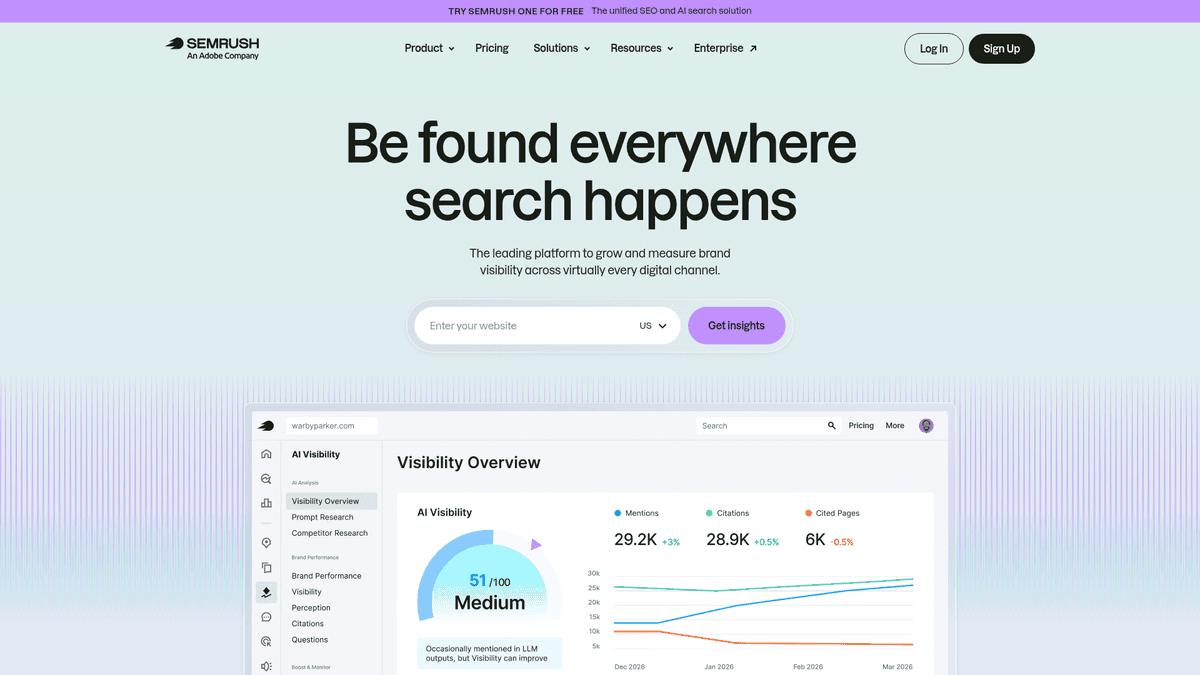
Semrush is the broadest all-in-one platform on this list.
It covers SEO, PPC, competitor research, content workflows, reporting, local SEO, and more. If Ahrefs is often seen as the research specialist, Semrush is often the broader marketing platform.
Why it stands out
large keyword database
broad marketing coverage beyond SEO
competitor analysis across organic and paid
strong reporting and team features
Best for
scaling businesses
agencies
teams running both SEO and paid channels
marketers who want one big platform
Tradeoffs
Semrush is powerful, but it can be expensive and heavy for very small teams. Like Ahrefs, it can also create a “great dashboard, slow execution” problem if you still need separate tools for writing, visuals, editing, and publishing.
Bottom line
If you want a traditional all-in-one marketing suite, Semrush is one of the safest picks.
8. Jasper

Jasper is less of a pure SEO tool and more of a broad AI marketing content platform.
It is useful if your team produces landing pages, ads, emails, social posts, and blog drafts, and wants one writing layer across channels.
Why people choose it
strong brand voice controls
multi-channel marketing content
collaborative writing workflows
useful templates for non-SEO assets
Best for
marketing teams
brand-led content production
businesses with needs beyond blog SEO
Tradeoffs
Jasper is not the strongest option if your priority is keyword research, competitor SEO analysis, or end-to-end publishing automation. It usually needs to be paired with dedicated SEO tools.
Bottom line
Choose Jasper when your real goal is broader marketing content creation, not just blog SEO.
9. Byword

Byword is built for bulk AI article generation.
If you need to produce many pages quickly, especially for programmatic or large-scale content operations, Byword is designed for speed.
Why it stands out
bulk generation
programmatic publishing workflows
useful for scaled content production
API-friendly use cases
Best for
large content sites
programmatic SEO teams
operators publishing at scale
Tradeoffs
Bulk production is not the same as strategic SEO execution. You still need strong keyword selection, quality control, and brand safeguards. Without that, output can become volume without leverage.
Bottom line
Byword is strong for scaled production, but less suited for founders who need a guided strategy plus execution layer.
10. Rytr
Rytr is the budget option on this list.
It is simple, inexpensive, and useful for quick drafts. If you are a solo creator and mostly want help writing faster, Rytr can do the job.
Why people pick it
low cost
easy to use
useful for short-form and first drafts
friendly for solo users
Best for
freelancers
solo founders
creators with a very small budget
users who need occasional copy support
Tradeoffs
Rytr is not a serious SEO operating platform. It does not compete with stronger research suites or automated publishing systems.
Bottom line
If price is your top concern and your workflow is still very manual, Rytr is a practical entry point.
Best alternatives by use case
Best for founders who want results without building a stack
RankSpot
This is the best choice if you do not want separate tools for research, outlines, images, writing, formatting, and publishing. It is especially strong for small teams that need consistency more than control panels.
Best for SEO writing workflows
Scalenut and Frase
Both help you move faster from keyword to article. Scalenut is stronger for broader content workflows, while Frase is great for briefs and question-led structure.
Best for full SEO visibility
SE Ranking, Ahrefs, and Semrush
Choose SE Ranking for balance, Ahrefs for research depth, and Semrush for broad marketing coverage.
Best for optimization-first teams
Surfer SEO
Use it if you already have drafts and just want stronger on-page performance.
Best for broader AI copy generation
Jasper and Rytr
Jasper is for teams with cross-channel marketing needs. Rytr is for simple, budget-friendly drafting.
Best for scaled publishing operations
Byword
Useful when volume is the core requirement.
What most founders actually need
Most founders do not need more SEO data.
They need:
the right topics
the right competitor targets
consistent publishing
content that is good enough to rank
content that can also get cited in AI-generated answers
less manual effort
That is why the decision is usually less about feature checklists and more about workflow design.
A traditional SEO stack often looks like this:
one tool for keyword research
one for competitor tracking
one for content briefs
one for writing
one for grammar
one for images
one for publishing
That stack works if you have a team.
It breaks down when you are the team.
RankSpot’s advantage is not that it has the biggest dashboard. It is that it compresses the workflow into one operating system that can actually publish. That is the difference between “we should do SEO” and “we are publishing every day.”
If you’re working on search demand discovery and prioritization, learning how to find competitor keywords is still one of the highest-leverage skills. The best platforms simply make that repeatable.
Final verdict
The best GrowthBar alternative depends on why you are leaving.
If you want a fuller SEO suite, go with SE Ranking, Ahrefs, or Semrush.
If you want stronger content optimization, choose Surfer SEO.
If you want better briefs and guided writing, look at Scalenut or Frase.
If you want a general AI writer, consider Jasper or Rytr.
If you want bulk content output, Byword is the specialist.
But if you want the best mix of keyword discovery, competitor targeting, AI content generation, built-in formatting, image creation, direct publishing, and GEO optimization in one place, RankSpot is the strongest choice.
It is built for the exact person who has outgrown GrowthBar’s lightweight workflow but does not want to replace it with five separate tools.
If that sounds like you, try RankSpot’s low-friction trial. You can generate your first 3 articles for free, with no credit card, and see what a truly automated SEO pipeline looks like when it is built for founders instead of full marketing departments.