If you're looking for the best Surfer SEO alternatives, you're probably in one of three situations:
You like Surfer, but the cost keeps climbing.
You want more than a content editor and score.
You need one tool that helps you research, write, optimize, and publish without stitching together five separate products.
You’re evaluating better options.
That last point matters most for founders and lean teams. Surfer is still a solid on-page optimizer. But many small teams do not need another isolated editor. They need a system that actually gets content shipped consistently, finds high-intent topics, tracks what competitors are winning with, and helps the brand appear in both Google and AI answers.
This guide compares 10 strong Surfer SEO alternative options for 2026, from cheap direct substitutes to broader SEO content platforms. If your goal is simple page scoring, some tools here do that well. If your goal is growing traffic with less manual work, a few options stand out much more clearly.
"94% of B2B buyers incorporated AI during their most recent purchasing process." - Forrester survey
Quick comparison table
Tool | Best for | Starting price | What stands out |
|---|---|---|---|
RankSpot | Founders and small teams that want end-to-end SEO automation | ~$39/mo + 3 day free trial | Research, planning, writing, images, publishing, GEO optimization |
NeuronWriter | Cheapest direct Surfer-style replacement | ~$23/mo | Low-cost content scoring and SERP-based optimization |
SE Ranking | Teams that want a fuller SEO suite | ~$52/mo | Rank tracking, site audit, research, and content tools |
Content Harmony | Brief-driven content teams | ~$50/mo | Strong briefs, workflow structure, unlimited seats value |
Clearscope | Editorial teams that want premium optimization | ~$189/mo | Clean workflow and strong semantic grading |
Frase | Research plus drafting in one flow | ~$45-$50/mo | Briefs, question research, AI drafting |
MarketMuse | Topical authority planning | ~$99/mo | Content strategy and topic depth |
Scalenut | Automated draft generation | ~$59/mo | Cruise Mode and content clusters |
Semrush SEO Writing Assistant | Existing Semrush users | Varies by Semrush plan | Works best inside the wider Semrush stack |
WriterZen | Keyword clustering and topic mapping | ~$27-$39/mo depending on plan | Strong pillar-and-spoke planning |
What to look for in a Surfer SEO alternative
Before jumping into tools, get clear on what you actually need.
Surfer is mainly an optimization layer. It helps improve a draft against SERP patterns. That is useful. But for many businesses, the real bottleneck is not optimization. It is content production capacity, topic selection, publishing consistency, and measuring what actually moves traffic.
A better alternative should help in at least one of these areas:
Better value than a standalone editor
If you only publish a few articles each month, paying premium pricing for a narrow editor can feel wasteful. Many teams want a tool that combines more workflow steps at a similar price.
Stronger keyword and competitor research
A good content score means little if you picked the wrong topic. Better tools help you find opportunity, including competitor keywords, search intent, and underserved angles.
Actual publishing velocity
The real advantage in SEO is often consistency. A team publishing great content daily will usually outrun a team that spends two weeks polishing one score. That is one reason more founders are looking at SEO automation tools.
Optimization for AI answers, not just blue links
Search behavior changed. Your prospects increasingly discover brands through ChatGPT, Claude, Gemini, Reddit threads, and forums. A modern platform should help your content get cited and recommended there too.
Less tool sprawl
Most small teams do not want separate subscriptions for keyword research, writing, editing, image creation, formatting, and CMS publishing. A strong alternative reduces that stack.
1. RankSpot
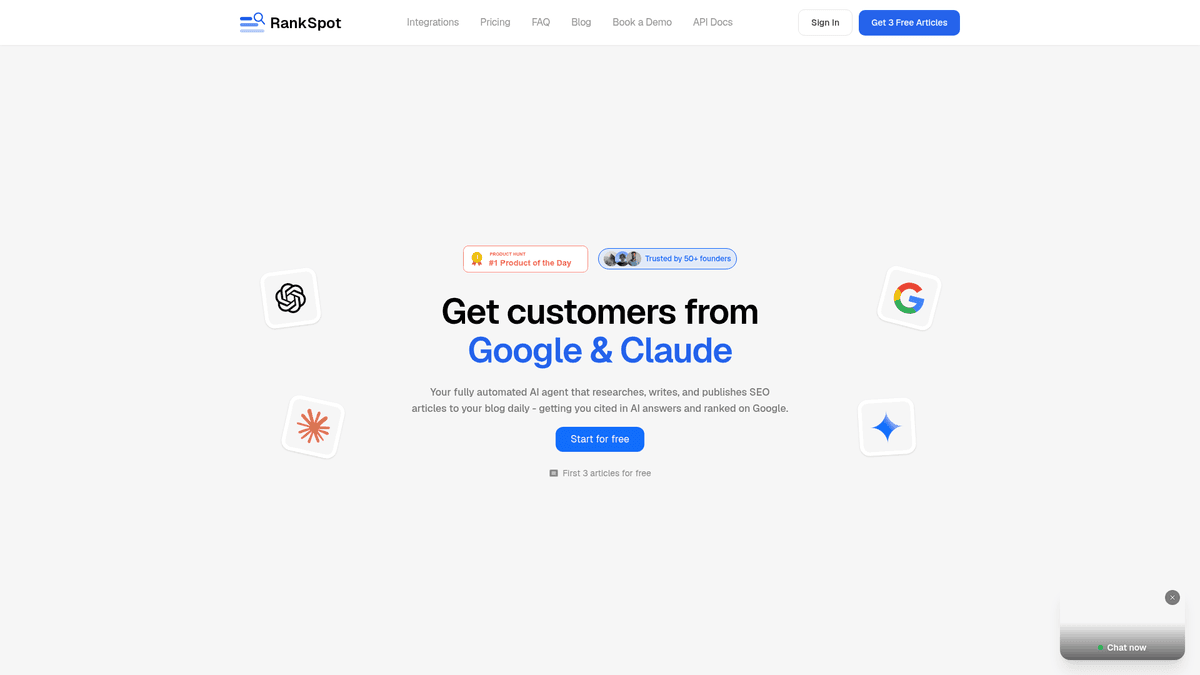
RankSpot is the best fit for founders, operators, and small marketing teams who do not just want a Surfer SEO alternative. They want the whole content machine handled for them.
Instead of stopping at content scoring, RankSpot covers the full pipeline: research, planning, writing, image generation, formatting, internal linking, and publishing. You connect your site, and the platform learns your niche, competitors, and growth opportunities. Then it builds a content plan, writes long-form posts, optimizes them for search and AI answers, and publishes directly to your CMS.
That makes it very different from Surfer.
Surfer helps improve a page. RankSpot helps run your SEO & GEO engine.
Why RankSpot is a stronger Surfer SEO alternative for small teams
If you are a founder, your main problem is rarely "I need a slightly better editor score." It is more often:
I do not have time to research and write.
I cannot afford an agency.
I need content to publish consistently.
I want to target high-intent and competitor-led opportunities.
I need results without building a content ops department.
RankSpot is built around those problems.
You get:
automated keyword discovery and opportunity prioritization
competitor keyword tracking so you can copy what works
direct publishing to WordPress, Webflow, Wix, Shopify, Framer, Ghost, and more
built-in structure, tables, internal linking, and on-page formatting
unique branded images per article
optimization for AI answer engines and GEO
Reddit and forum discovery to find real buyer demand
support for 100+ languages
a low-friction start with the first 3 articles free and no credit card
For teams replacing a messy stack of Ahrefs, Canva, Grammarly, a writer, and a CMS workflow, that is a major simplification.
Where Surfer still wins
To be fair, Surfer still has a cleaner, more focused live-editor experience if all you want is manual draft optimization inside a familiar content editor. Some solo SEOs prefer that simplicity.
But if your goal is business growth rather than editor, RankSpot gives you much more leverage.
Best for
Founders, indie hackers, e-commerce operators, agencies serving smaller clients, and lean teams that want SEO output without manual production.
2. NeuronWriter
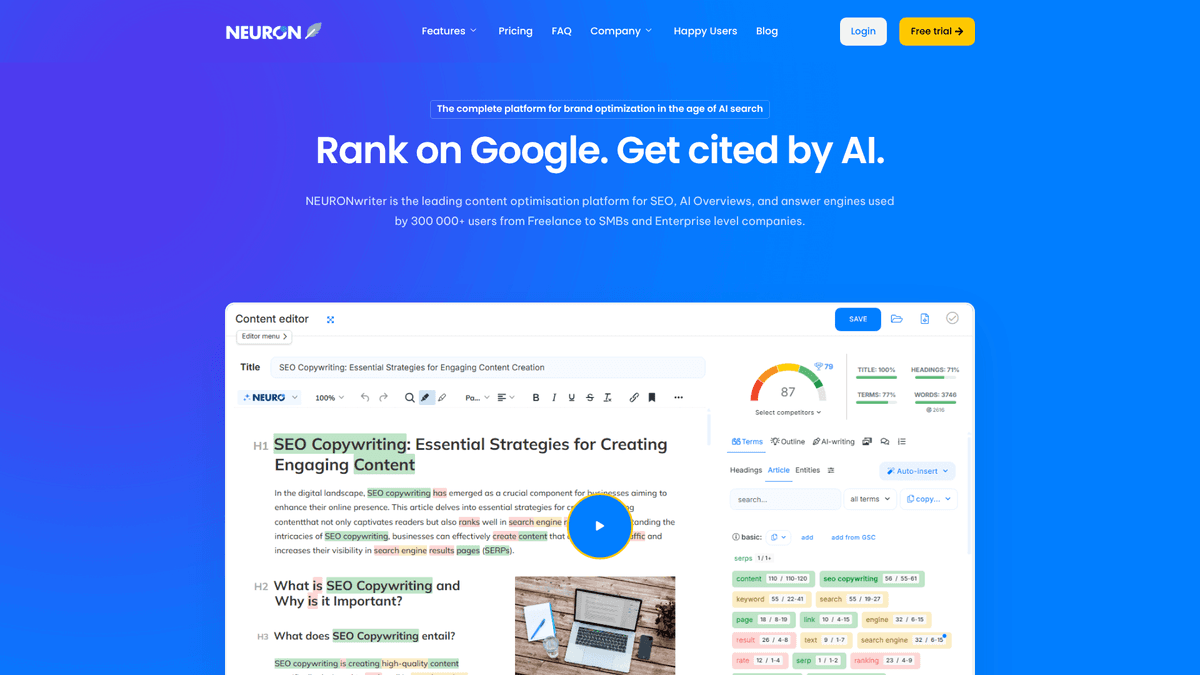
NeuronWriter is the closest low-cost clone of Surfer's core experience.
It gives you SERP-based optimization, content scoring, NLP term suggestions, and a writing workspace at a much lower entry price. For budget-conscious users who mainly want a cheaper Surfer SEO alternative, it is one of the easiest recommendations on this list.
What it does well
NeuronWriter is strong when you want:
a content score
SERP-driven suggestions
basic competitor analysis
a simple optimization workflow
low monthly cost
For freelancers and bloggers, that value is hard to ignore.
What to watch
It is still mostly an optimization tool. It does not replace a full content strategy system, and it does not remove the work of planning, writing, editing, and publishing at scale.
If your bottleneck is production, RankSpot will save you more time. If your bottleneck is just paying too much for Surfer, NeuronWriter is a strong option.
Best for
Freelancers, affiliate site builders, and solo operators who want a cheap direct replacement.
3. SE Ranking

SE Ranking is a better choice than Surfer if you want a broader SEO platform rather than a pure content optimization tool.
It combines rank tracking, keyword research, competitor analysis, backlink monitoring, audits, and content features in one place. That makes it appealing to teams that want more operational visibility.
Why teams choose it
SE Ranking works well if you want one platform for:
monitoring rankings
running site audits
analyzing backlinks
tracking competitors
planning and improving content
This makes it more complete than Surfer from a classic SEO perspective.
Trade-offs
Its content editor is useful, but content optimization is not the core product identity in the same way it is for Surfer, Clearscope, or NeuronWriter. The platform is broader, which means the workflow can feel less focused for writers.
Best for
Startups, agencies, and in-house teams that want an SEO suite first and a content layer second.
4. Content Harmony
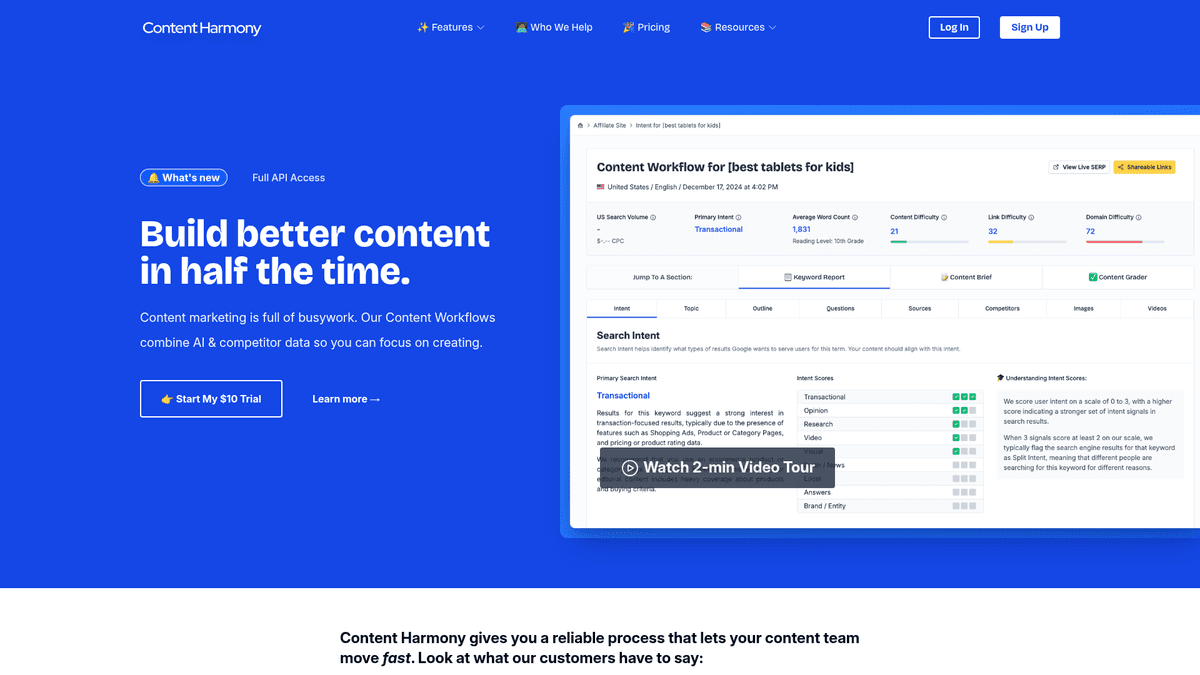
Content Harmony is best known for briefs. If your current process breaks before the writing starts, this tool is worth a serious look.
It helps teams turn keyword research into detailed, structured writing briefs that freelancers, editors, and internal teams can actually use.
Why it stands out
Content Harmony is strong on:
search intent framing
subtopic discovery
outline creation
content requirements
workflow handoff to writers
It is especially useful for agencies or larger content operations where the main challenge is briefing clearly at scale.
Trade-offs
It is not the most all-in-one option. It helps you produce better inputs, but it will not fully automate production and publishing the way RankSpot does.
Best for
Teams with multiple writers, editorial processes, and a strong brief-first workflow.
5. Clearscope

Clearscope sits at the premium end of the market. It is polished, editor-friendly, and trusted by larger content teams that want semantic optimization without a cluttered interface.
If Surfer sometimes feels too mechanical or noisy, Clearscope often feels calmer and more editorial.
What people like about it
Clearscope shines with:
clean report design
straightforward grading
semantic term recommendations
strong writer adoption
smooth editorial workflows
For agencies and enterprise teams, that usability matters.
Trade-offs
The obvious downside is pricing. For smaller businesses, Clearscope often feels expensive for what is still mainly an optimization layer.
Best for
Editorial teams, agencies, and brands with enough budget to pay for workflow quality.
6. Frase
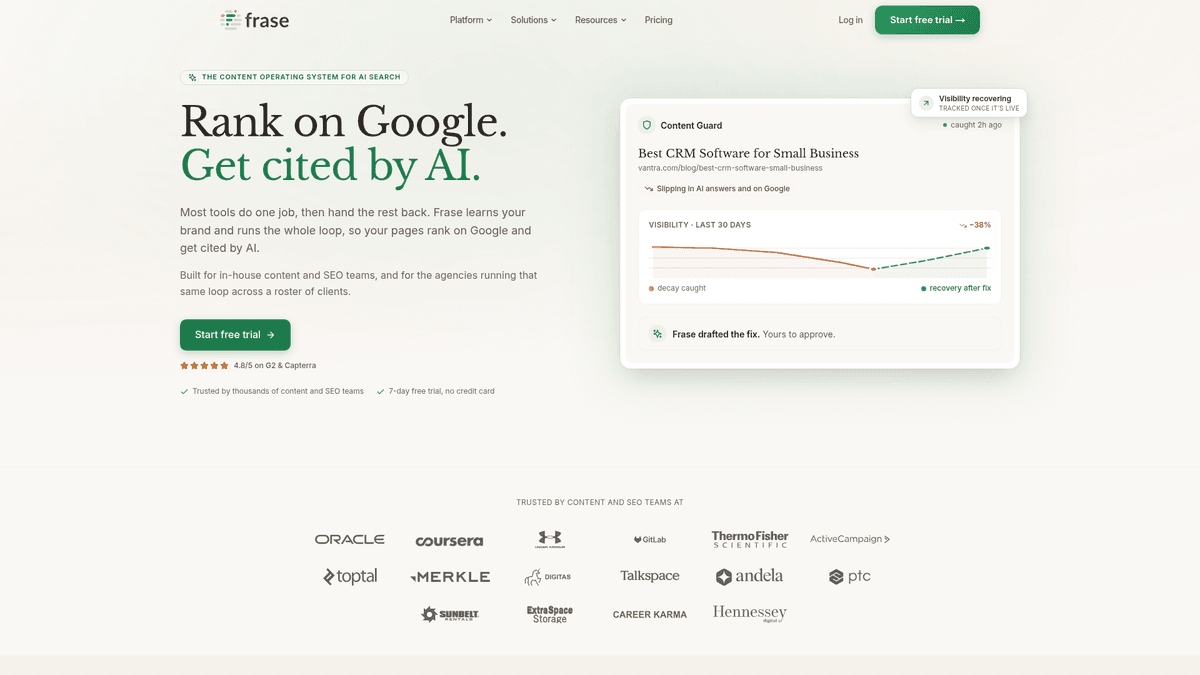
Frase is one of the more balanced Surfer SEO alternatives. It combines SERP research, question research, outlines, AI drafting, and optimization in one workflow.
That makes it a practical choice for content teams that want to move from idea to draft faster.
Why it works
Frase is useful for:
generating content briefs quickly
pulling questions from search results
drafting articles with AI support
optimizing within the same interface
It is often favored by marketers who want more built-in research context than a pure score tool gives them.
Trade-offs
Frase is productive, but it still expects the user to do meaningful workflow management. It helps you move faster. It does not fully take the work off your plate.
Best for
Lean content teams, consultants, and marketers who want research and drafting together.
7. MarketMuse
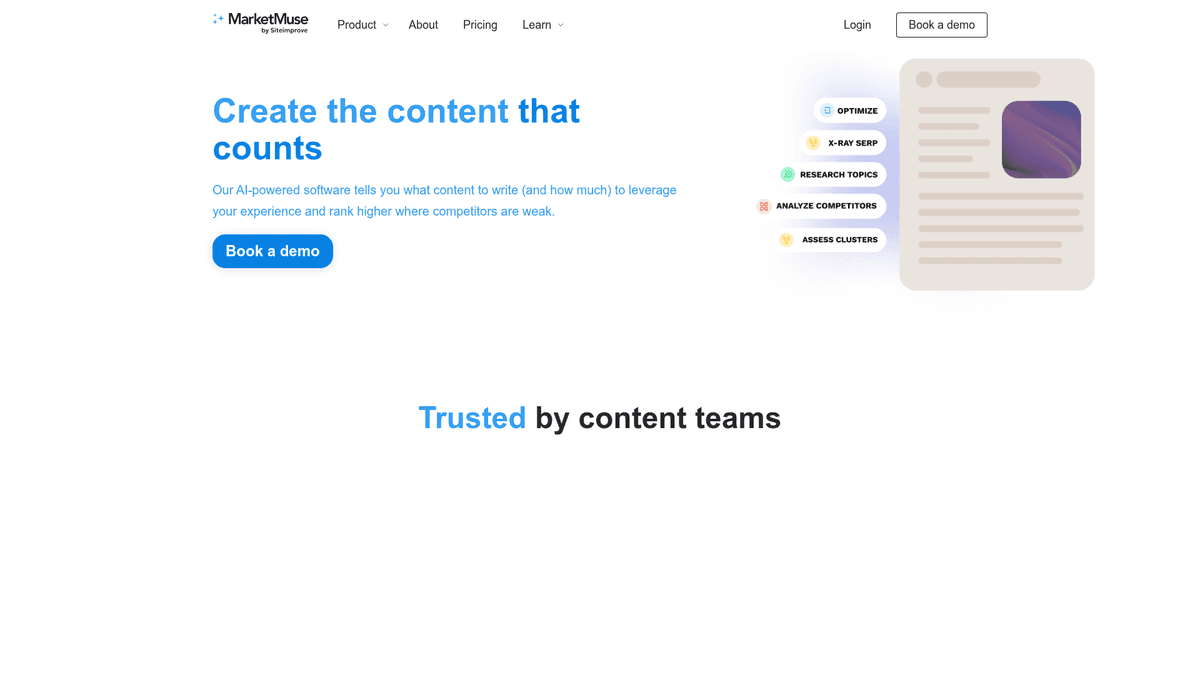
MarketMuse is less about tweaking one article and more about building topical authority over time.
If you run a serious content program and want help deciding what to publish across a broader topic map, MarketMuse becomes more compelling.
Where it shines
It is strong for:
topic modeling
content inventory review
authority planning
prioritizing articles by strategic value
building topic depth across a site
Trade-offs
For smaller teams, it can feel heavy. If you are trying to get your first 20 or 50 SEO articles live, full strategic modeling may be more than you need.
Best for
Established content teams and brands building deep category authority.
8. Scalenut

Scalenut is appealing if you want more automation inside the drafting process itself.
Its Cruise Mode is designed to take a keyword and turn it into a structured draft faster than a typical manual workflow.
What it does well
Scalenut works nicely for:
AI-assisted first drafts
article structure generation
optimization scoring
keyword clusters
faster drafting throughput
Trade-offs
As with most draft-generation tools, the output still needs editing. It saves time, but it is not a set-it-and-forget-it publishing engine.
Best for
Teams that want to speed up draft creation but still keep a hands-on editing process.
9. Semrush SEO Writing Assistant
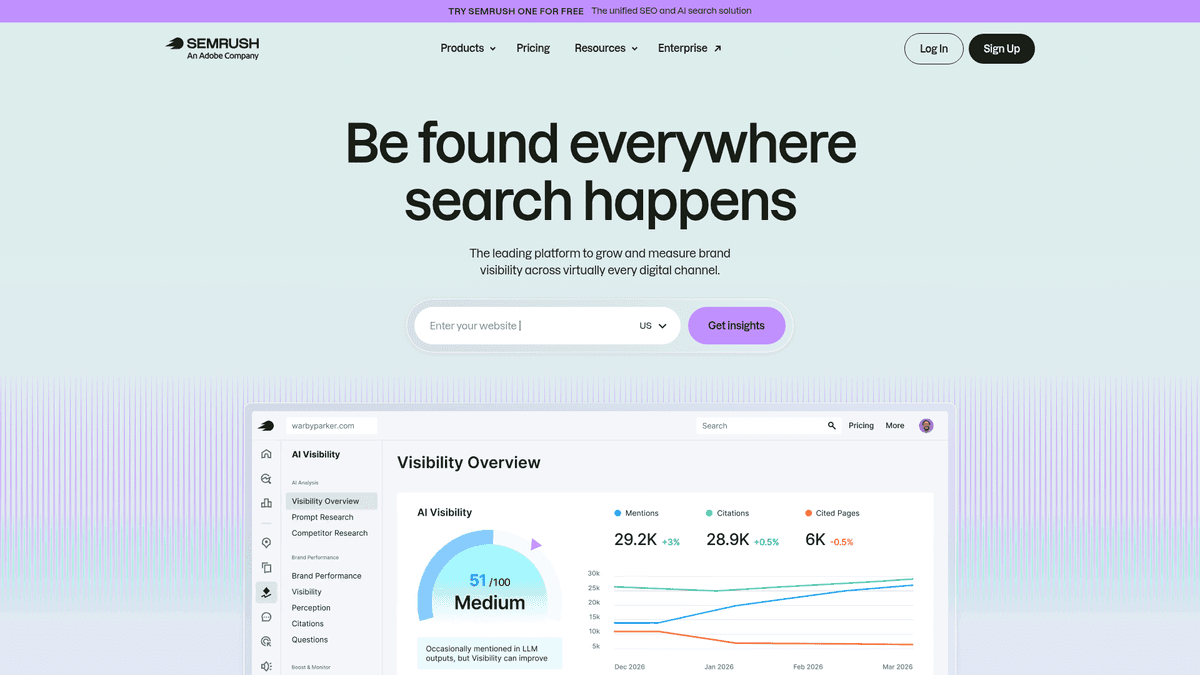
If you are already paying for Semrush, the SEO Writing Assistant can be a logical Surfer SEO alternative.
The biggest advantage is ecosystem fit. You can do research, keyword tracking, audits, and writing support under one broader brand.
Why teams pick it
Semrush users like it because it connects with:
keyword research
position tracking
content tools
domain analysis
competitive SEO workflows
Trade-offs
As a standalone writing experience, it is usually not the first choice over dedicated content optimization tools. Its biggest strength is integration, not editor excellence.
Best for
Teams already committed to Semrush that want to avoid adding yet another tool.
10. WriterZen
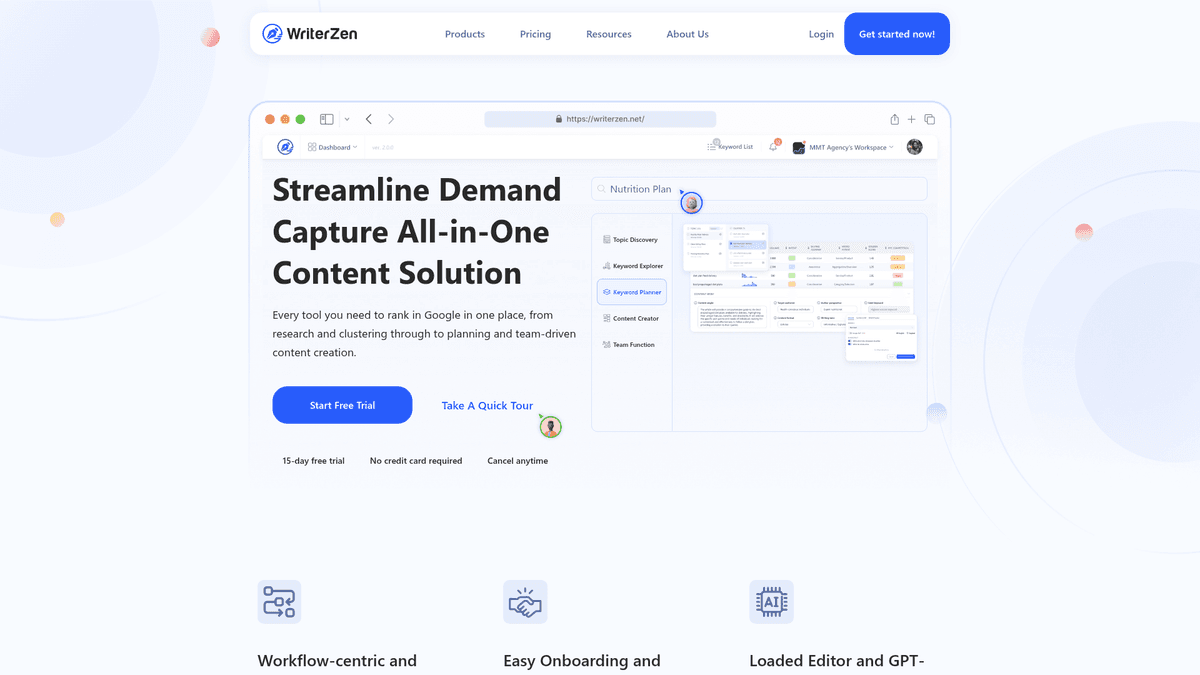
WriterZen is a strong choice for teams focused on keyword clustering and pillar-and-spoke planning.
Instead of thinking article by article, it helps you organize topics into content systems.
Why it stands out
WriterZen is useful for:
cluster planning
topic discovery
keyword grouping
mapping pillar pages and supporting posts
building structured content programs
If you are working on a category buildout, that matters a lot.
For teams planning larger search programs, this fits naturally with a strong keyword research SEO strategy.
Trade-offs
It is better at planning and clustering than at being a complete end-to-end publishing engine.
Best for
SEOs and content strategists building structured topic networks.
Which tool is best for your workflow?
Here is the practical way to decide.
Choose RankSpot if you want output, not just optimization
Pick RankSpot if your biggest problem is lack of time, lack of writers, or lack of publishing consistency.
It is the strongest choice when you want:
daily SEO article publishing
automated research and planning
competitor-led targeting
AI answer optimization
direct CMS publishing
fewer tools and fewer manual steps
For most founders, this is the highest-leverage choice because it saves time and compounds traffic through consistency.
Choose NeuronWriter if you want the cheapest direct Surfer replacement
If your main goal is to keep a Surfer-like workflow at a lower cost, NeuronWriter is probably the cleanest answer.
Choose SE Ranking if you want a full SEO suite
If you care about tracking rankings, backlinks, site health, and content in one place, SE Ranking is a practical broader platform.
Choose Content Harmony if your brief process is the bottleneck
If writers need better instructions and your team already has production capacity, Content Harmony can improve execution.
Choose Clearscope if editorial workflow quality matters most
If budget is less sensitive and your writers want a polished, low-friction optimization tool, Clearscope is still one of the premium options.
Choose Frase or Scalenut if you want faster drafting
These tools are useful if you still want a hands-on workflow but need help moving from research to draft faster.
Choose MarketMuse or WriterZen if strategy is your priority
If your focus is long-term topical authority or content architecture, these tools offer more planning depth than pure editors.
The bigger shift in 2026: from content scores to content systems
The reason the surfer SEO alternative market is growing is simple: teams want more leverage.
A content score is nice. But a score alone does not publish content. It does not spot buyer intent across forums. It does not help you target a competitor's winning topics at scale. It does not create visuals. It does not push posts live every day.
In 2026, the winners are building content systems.
That means:
finding demand faster
publishing consistently
matching search intent
covering topic clusters
getting cited in AI answers
turning SEO into a repeatable operating system
That is why many teams are shifting from point solutions toward broader AI tools for SEO that reduce manual work across the whole funnel.
Final verdict
If you only need a cheaper Surfer-style optimizer, start with NeuronWriter.
If you want a full SEO suite, look at SE Ranking.
If you want premium editorial optimization, Clearscope is still a top-tier pick.
If you are a founder or lean team trying to actually grow traffic without hiring an SEO team, RankSpot is the strongest overall choice.
It does what most teams really need a surfer SEO alternatives tool to do: remove the manual burden, publish consistently, uncover high-intent topics, learn from competitor wins, and help your brand show up in both traditional search and AI answer engines.
That is a much bigger outcome than improving a score from 72 to 84.
FAQ
Is Surfer SEO worth it for founders?
Surfer SEO is useful if you want a fast on-page optimization workflow and already have content creation handled. For founders and lean teams, it can still leave you doing a lot of the writing and strategy work manually.
What is the best Surfer SEO alternative?
The best alternative depends on your goal. NeuronWriter is a cheaper Surfer-style option, SE Ranking is better if you want a broader SEO suite, and RankSpot is a stronger fit for founders who want more done for them.
How much does Surfer SEO cost compared with alternatives?
Surfer SEO sits in the premium optimization-tool range, while alternatives like NeuronWriter are typically more affordable. If you need a full stack or more execution support, tools like SE Ranking or RankSpot may offer better overall value.
If you want to see that workflow in action, try RankSpot with your first 3 articles free. It is the fastest way to see whether an automated SEO engine can replace hours of writing, research, editing, and publishing every single month.